Posted: Dec 1
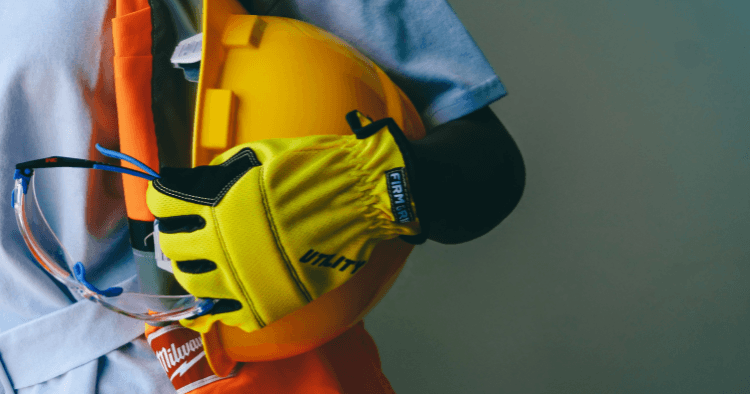
Safety tickets in Edmonton start with fall protection for most crews working at height, and each sector then adds its own rescue and site-specific training on top. Tower crews add STAC Rescuer 1 and 2, wind turbine technicians add turbine fall protection and rescue, and rig workers add Rig Worker Fall Protection and Rig Rescue. A ticket is the card or certificate that shows a worker completed a course, and employers, site owners and clients often ask to see it before work starts. Contact MI Safety to book a consultation for your crew, and we will help you match tickets to your work.
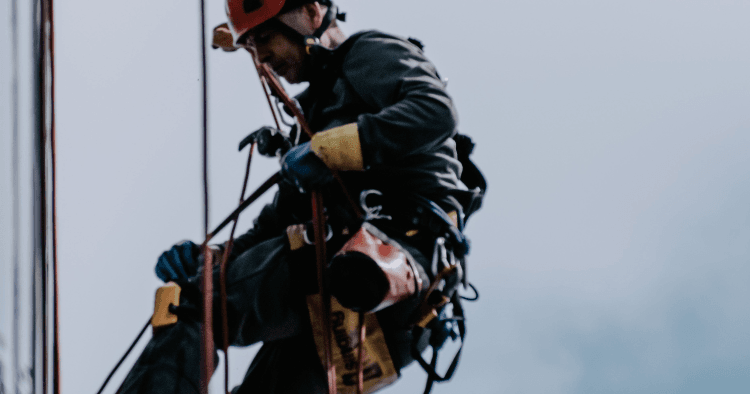
Fall protection is the starting point for nearly every height ticket set we see. Fall arrest, fall protection and harness training are the
same course, so your employer may call it by any of those names. Our fall protection course runs 8 hours, and the certification card is
valid for 3 years.
The Alberta OHS Code addresses this directly. Part 9 requires employers to ensure that workers are trained in the safe use of the fall protection system they will use. The course covers the equipment and the principles behind it, so workers understand why a system works and where it has limits.
Fall protection also sits underneath the rescue tickets. It is a prerequisite for our Tradesmen Rescuer Program, and the rig and tower courses assume workers already understand the basics of working at height.
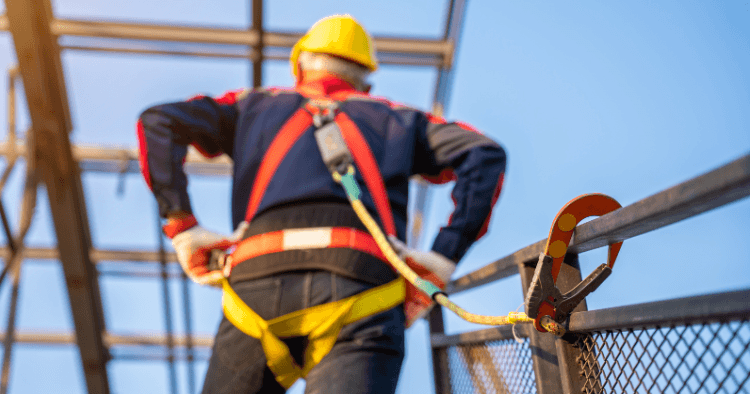
Tower crews work on lattice towers, monopoles and rooftop sites, and the growth in small cell work has put more climbers on more structures.
A worker who falls on a tower stays on the structure, so rescue is part of the job and not an afterthought.
For that reason, tower crews carry STAC Rescuer 1 and 2 on top of their fall protection ticket. Each course runs 8 hours, and both focus on tower rescue. Many tower employers want their climbers trained to rescue each other, because help from outside the site may be a long way off.
A typical tower ticket set includes fall protection and the two STAC Rescuer courses. Employers can book the full set for a crew in Devon or at their own site.
Wind turbine technicians climb inside the tower and work at height in tight spaces, often far from the nearest town. The basics still apply, so fall protection comes first. Turbine technicians then add wind turbine fall protection and rescue, which we deliver on site and run as an 8 or 16 hour course.
The turbine course combines fall protection and rescue in a single program, and that is the main difference from the tower and rig sets. The longer format gives crews more time to work through the climbing and rescue scenarios that apply to their turbines.
Turbine employers and clients set their own expectations for this training. Ask your employer or client which turbine training they accept before you book.
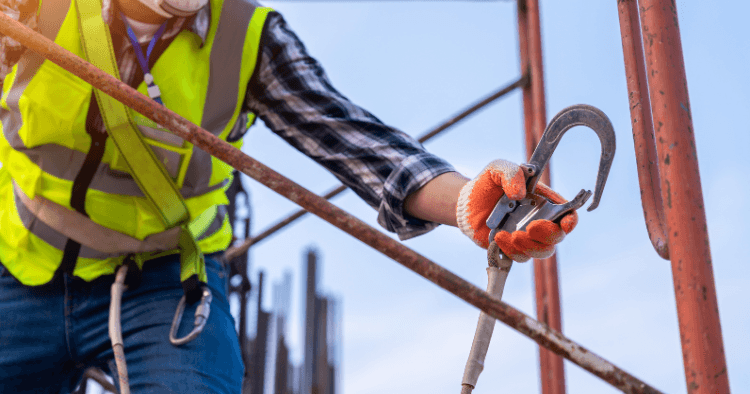
Rig crews usually carry two rig-specific courses. Rig Worker Fall Protection runs 16 hours and covers working at height on the rig. Rig
Rescue runs 8 hours and covers rescue from the structure.
The structure of the set sets rigs apart. Tower crews build on a standard fall protection ticket with two rescuer levels, turbine crews take one combined course, and rig workers take a longer fall protection program paired with a separate rescue course. Each set reflects how the work is done at that kind of site.
The OHS Code sets what an employer must ensure about worker training, including training in the fall protection system a worker will use. Beyond that, many ticket requirements come from the site owner, the client or the employer’s own policies, and they often show up in contracts, orientations and bid documents.
A few habits prevent surprises. Ask for the ticket list in writing before a crew mobilizes, and check the expiry date on every card in the crew. Our fall protection, confined space and fall rescue certificates are valid for 3 years, so renewals can be scheduled ahead of time.
Crews that enter confined spaces also add confined space entry and monitor, an 8 hour course. The Alberta OHS Code requires trained workers for confined space entry, and most need an 8 hour program.
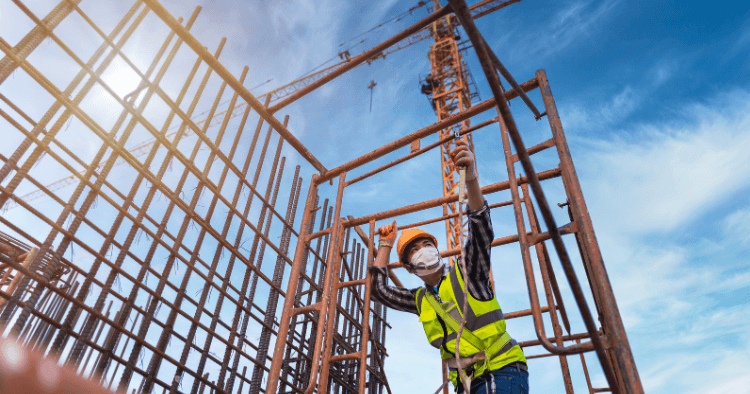
Electricians, roofers and other tradespeople who only occasionally work at height should start with fall protection. It gives them the
foundation that every other height ticket builds on, and it covers the equipment they are most likely to use.
The next step is our Tradesmen Rescuer Program. It runs 8 hours, and fall protection is a prerequisite. It suits trades crews who work at height now and then and want to be able to respond if a coworker is suspended.
A safety ticket is the card or certificate that shows a worker completed a safety course. Employers, site owners and clients often ask to see tickets before a worker starts on site.
Our fall protection certification card is valid for 3 years. Check the expiry date on each card so renewals can be booked before the crew needs them.
We accept group bookings from companies for in-class courses. Ask your employer to arrange the training for your crew.
Yes. Group courses can run at your worksite or at our facility in Devon. Contact MI Safety for a quote and availability.
We take group bookings from companies, so ask your employer to arrange the course for your crew. We run group training at our Devon facility
or at your worksite. Contact MI Safety to book a consultation for your crew, and we will help you match tickets to your work, with a quote
and availability.