Posted: Nov 1
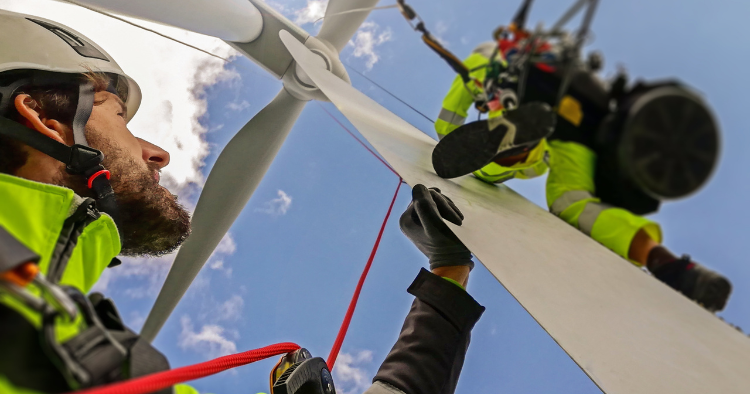
General fall protection gear isn't enough for turbine climbing, since a tower's long vertical ladders, tight platforms, and
manufacturer-designated anchor points call for equipment built for that environment. A worker who finishes a fall protection course Edmonton
employers trust has the fundamentals, but the harness, lanyard, and self-retracting lifeline (SRL) clipped to that worker still need to
match the tower. The right match keeps connection points where the ladder system expects them, gives the worker enough clearance to arrest a
fall safely, and makes a rescue workable. Reach out to MI Safety to book a consultation for your crew.
Turbine-specific harnesses are built around the climb. Most include a front attachment point for ladder fall arrest, a rear attachment point, and side D-rings for work positioning, along with padding for the long stretches a climber may spend suspended during a rescue or a stalled ascent. A general construction harness with only a rear D-ring often can't connect to the guided fall arrester on a tower ladder, which rules it out for the climb itself.
Lanyards and SRLs differ in similar ways. Turbine lanyards are usually twin-leg with energy absorbers, so a climber stays connected while moving between platforms. The space inside a tower is also limited, and a lanyard that suits an open rooftop can deploy its energy absorber farther than the available clearance allows. Compare the manufacturer's stated fall clearance requirement against the measured distance below the anchor before the first climb.
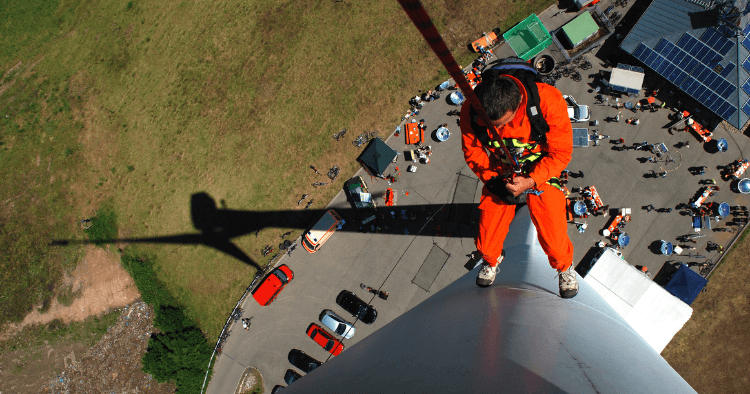
Climb-assist systems carry part of a climber's body weight on an internal ladder, usually with a motor or counterweight arrangement. They
reduce fatigue on tall towers, which matters since tired climbers are more likely to rush or skip a connection step.
Whether a climb-assist system is required depends on the turbine manufacturer, the site owner, and the height of the tower. Some sites set a height threshold, while others leave it to the project's safety plan, so confirm the requirement in writing before assuming either way. Where one is installed, climbers need training on how it works alongside the fall arrest on the same ladder, including how to connect, how to disengage, and what to do if it stops mid-climb.
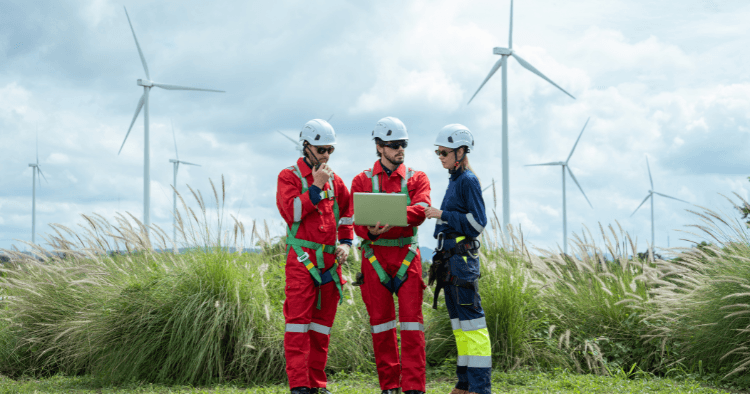
Gear that works well in another trade often fails to connect or perform properly on a turbine. Roofing, scaffold, and telecom tower kits are
common sources of mismatched equipment. Connectors may be too large for a ladder rail or anchor, harness attachment points may sit in the
wrong place, and energy absorbers may carry fall ratings that don't suit the system in use.
Mixing components from different manufacturers creates a further risk. Many fall arrest systems are certified as a complete assembly, so swapping one part can mean the system no longer performs as tested. Stick to manufacturer-approved combinations, and have a competent person check every item against the turbine manufacturer's requirements before it goes up the tower.
Every turbine manufacturer designates specific anchor points on the ladder, platforms, nacelle, and hub. Those anchors are engineered and tested for fall arrest loads, which is why workers should never tie off to a handrail, cable tray, or pipe that happens to be within reach.
The manufacturer's manual also spells out which anchors to use and in what order, particularly during transfers between ladder sections and platforms, where the climber needs to stay connected the whole way. Alberta's Occupational Health and Safety Code requires employers to have a fall protection plan for work at heights, and that plan should name the anchor points for each turbine model on site. Review it with every climber before the first ascent.
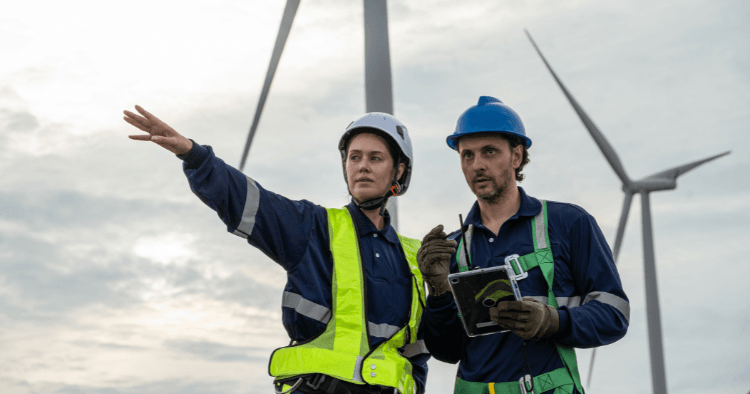
Outfitting a new crew starts with the manufacturer's requirements and a hazard assessment for the specific site. From there, buy or rent
turbine-rated equipment rather than adapting what the crew already owns. Each worker needs a harness fitted to their body, since a poor fit
affects both comfort and how the harness performs in a fall.
Training closes the gap that equipment alone can't. A fall protection course Edmonton workers complete covers the fundamentals, and turbine work adds hands-on practice with ladder fall arrest, climb-assist systems, and platform transfers. Rescue planning belongs in the same conversation. The crew needs equipment for the descent suited to the tower and people who have practised using it. Set up pre-use checks as a routine from the first day, and schedule formal inspections at the intervals the manufacturer specifies.
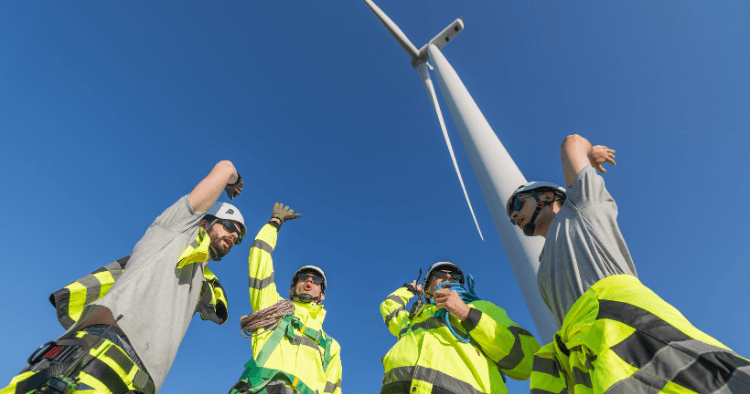
Only if it meets the turbine manufacturer's requirements, and many construction harnesses don't. The most common gap is the attachment point layout, since ladder fall arrest systems usually need a front connection. Check the manufacturer's manual and the site's fall protection plan before assuming the harness is acceptable.
Workers should inspect their gear before every climb, and a competent person should complete a formal inspection at the interval the equipment manufacturer sets, which is commonly at least once a year. Any item that has arrested a fall should come out of service until it has been assessed. Keep written inspection records for every piece of equipment.
A general fall protection course Edmonton employers rely on covers hazard recognition, equipment selection, and safe use of fall arrest systems, which are the foundation for turbine work. Turbine climbing adds site-specific and manufacturer-specific requirements, so crews usually need extra hands-on training on the exact systems they will use. A consultation can help identify which gaps your crew needs to close.
A rescue plan should name who performs the rescue, what descent or retrieval equipment is on site, and how quickly the plan expects a rescue to happen. A suspended climber can face serious risk within minutes, so the plan has to be practised, not only written down.
Connect with the team at MI Safety to talk through training and equipment for your next turbine project. We'd love to help your crew climb with confidence across the Greater Edmonton Area and beyond.