Posted: Aug 1
Nobody thinks about a guardrail until someone hits it. It just sits there, bolted to the roofline, doing nothing, until the one moment it has to do everything. And that moment is not gentle. It is a body in motion, off balance, moving fast toward the one thing standing between a bad afternoon and a very bad one. Fall protection installations and guardrails get treated like a checkbox on a compliance form, but the physics involved are closer to catching a wrecking ball than propping open a door. If your guardrails have never been engineered with that in mind, that is worth knowing now, not after somebody stumbles. Reach out to MI Safety and get your current setup looked at properly.
Here is the thing that trips people up, literally and figuratively: 200 pounds leaning on a rail and 200 pounds falling into one are not the same load. Not close. A worker resting a hip against the top rail is applying steady, boring pressure. Almost any rail can handle that. It is the load a guardrail sees ninety-nine days out of a hundred, and it tells you nothing about how the rail performs on day one hundred.
A falling body is a completely different animal. That same 200 pounds shows up with speed behind it, and speed changes everything about how the force lands. It is no longer pressure. Its impact. Fall protection installations and guardrails have to be built for that hundredth day, because that is the only day anyone cares whether the math was right.
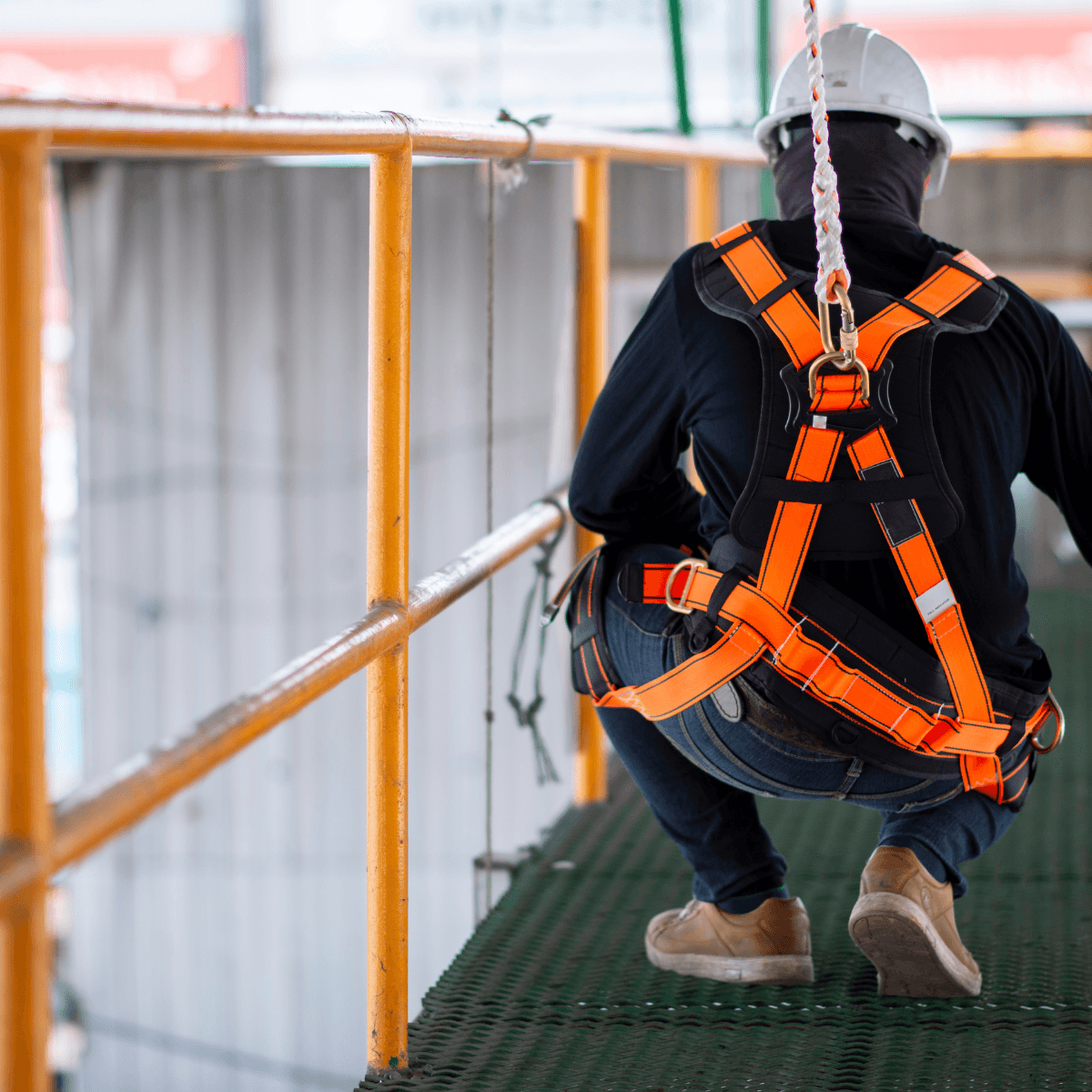
A stumble does not feel dramatic from the outside. From the guardrail's perspective, it is an entirely different story. Kinetic energy climbs with speed, not weight, so even a short, clumsy fall into a rail dumps far more force into the system than most people would guess sitting at a desk. That energy has to travel somewhere. It runs through the rail, down the posts, and lands squarely on the anchor points.
The anchors are almost always the weak link, and they fail quietly until they do not. A rail can look and feel solid while sitting on base plates that were under-bolted, or sunk into concrete that was never rated for anything beyond a light lean. Fall protection installations and guardrails only work as a system. The rail, the posts, and the anchoring all need to be engineered for the same worst-case hit, because a chain that is strong everywhere except the last link is not actually strong.
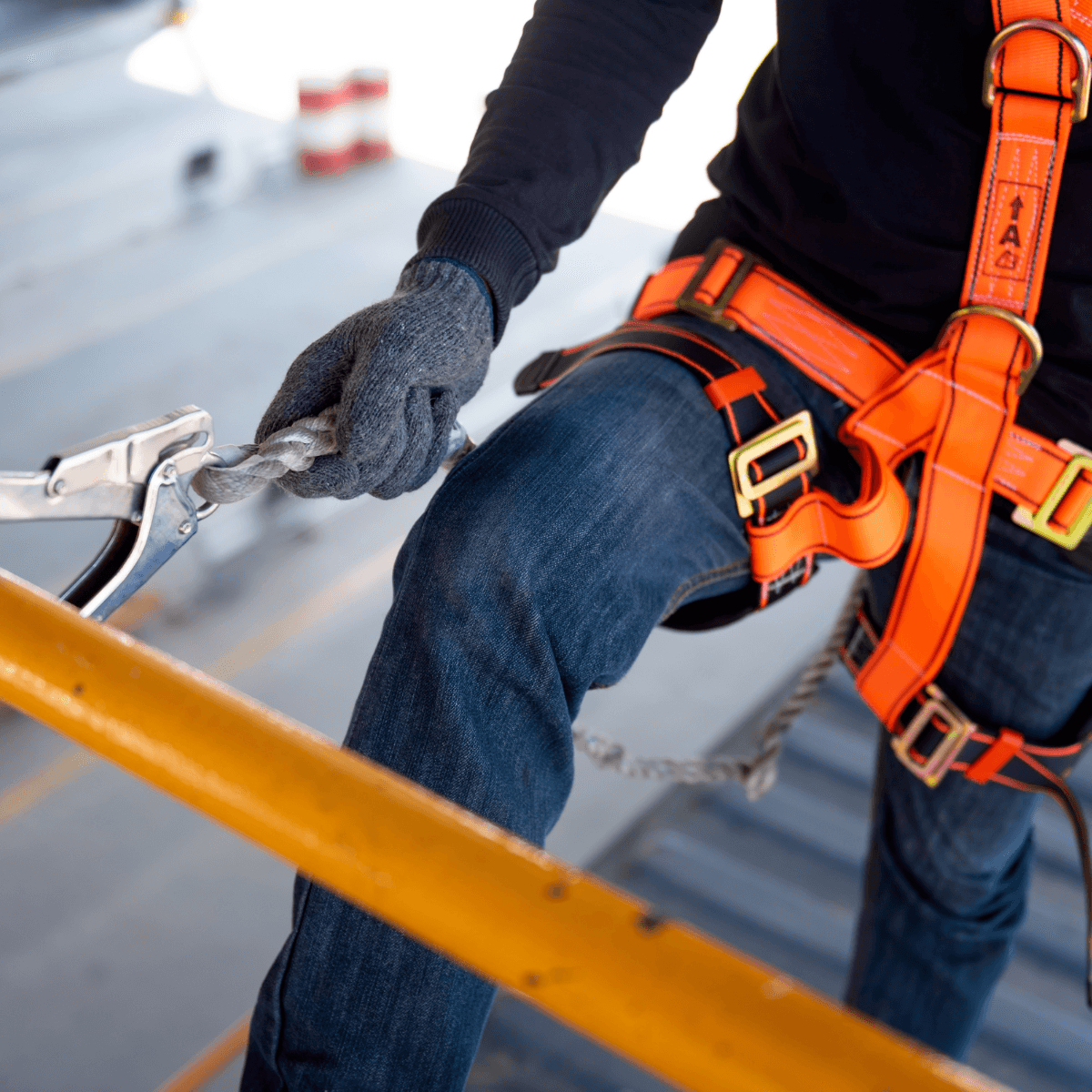
Some guardrails are built to look like guardrails, not to act like them. Thin-gauge steel, minimal anchoring, and lightweight materials keep the manufacturing bill low, and they will sail through a visual inspection every time. Nobody walking a site with a clipboard is stress-testing a rail with a body check. So the flaw sits there, invisible, right up until it is not.
That is the failure mode that should worry every site manager: a rail that holds fine under casual contact but folds the moment someone actually falls into it. By then it is too late to revisit the spec sheet. Fall protection installations and guardrails need to be rated for dynamic impact from day one, not sized to survive an average Tuesday. If your current rails have never been checked against that standard, it is worth finding out before conditions do it for you.
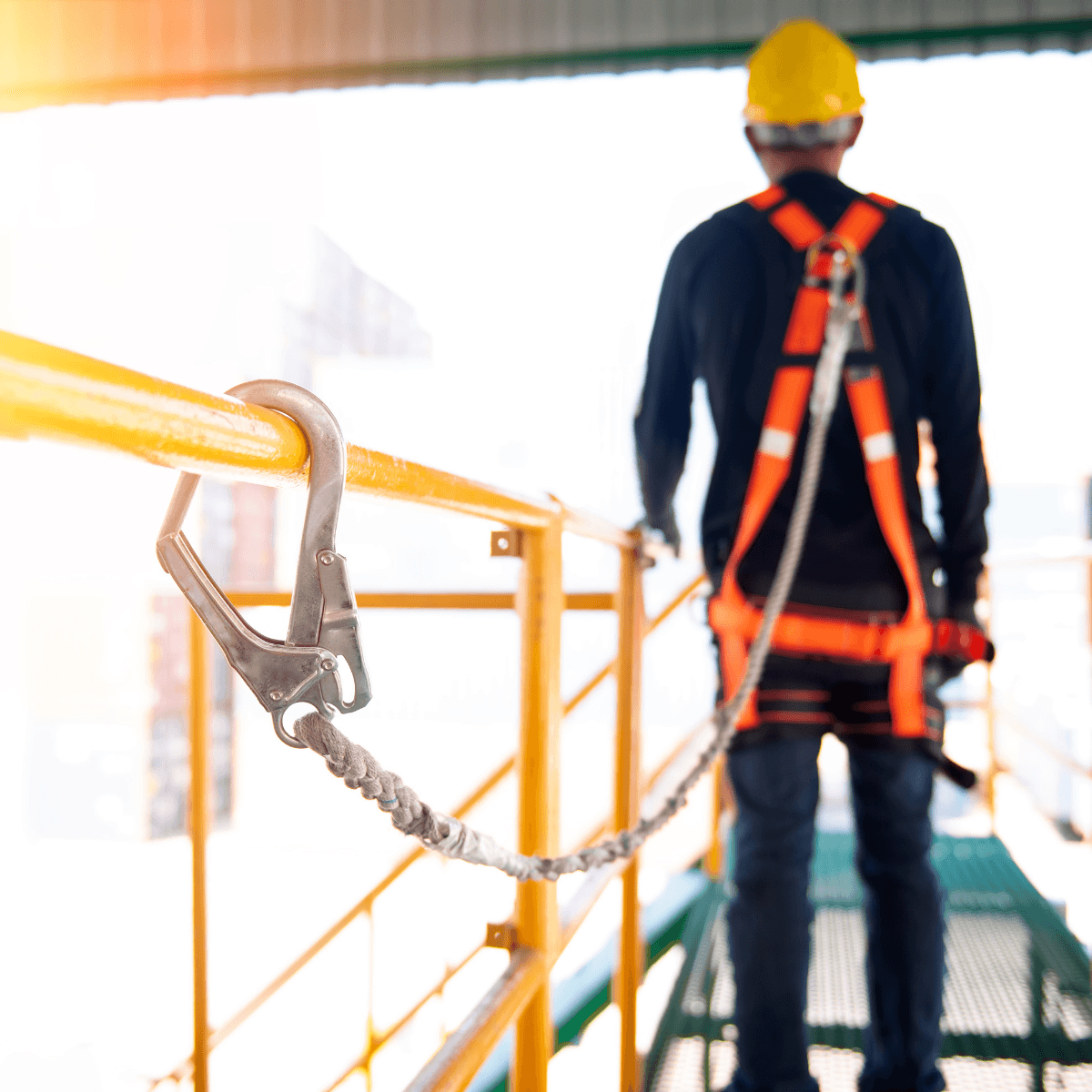
A guardrail that actually holds up is the product of a dozen decisions most people never see. Post spacing decides how much force each anchor absorbs when a fall happens, and wider spacing without extra reinforcement just means fewer anchors doing more work. Material choice affects how the system flexes, bends, or holds firm on impact. The substrate matters too. Steel decking, poured concrete, and a built-up roof membrane all move force differently, and an anchor plan that works on one can be dangerously wrong on another.
That is engineering, not installation, and treating the two as interchangeable is where a lot of guardrail systems go wrong. Fall protection installations and guardrails can meet code on paper and still be mismatched to the site they sit on. MI Safety starts with the load path, the anchor substrate, and the actual fall scenario before a single post goes into the ground.
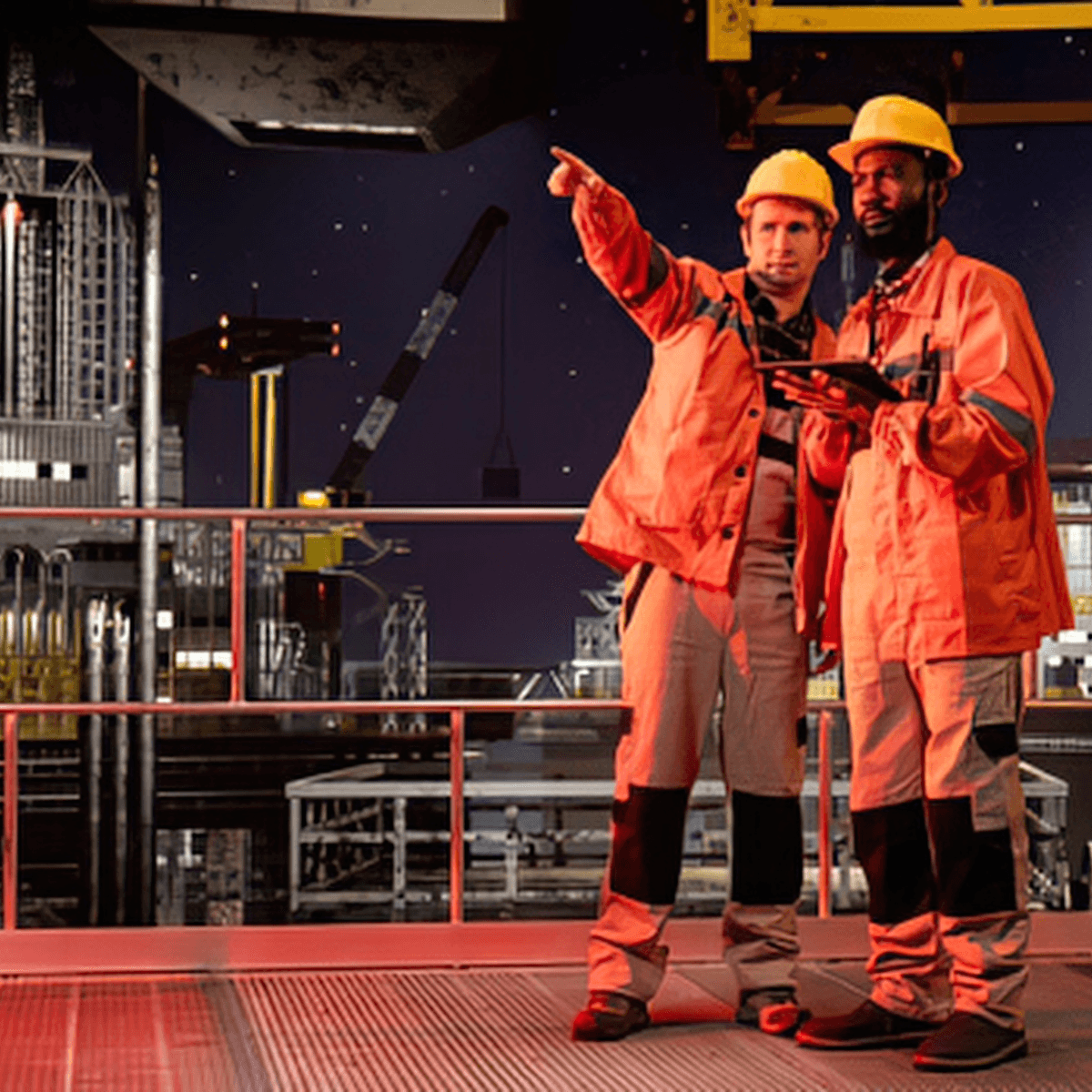
A guardrail is frequently the only thing standing between a worker and a serious fall, which makes it a strange place to look for savings. The money saved on a lighter system disappears the instant that system is asked to do its job and cannot. Fall protection installations and guardrails deserve to be judged by their worst day, not their average one, because the average day was never in question.
If it has been a while since anyone looked hard at your guardrails, or if you are planning a new installation and want it built right the first time, get in touch with MI Safety. We will look at what you have, tell you honestly where it stands, and build what actually needs to be there.