Posted: Jul 1
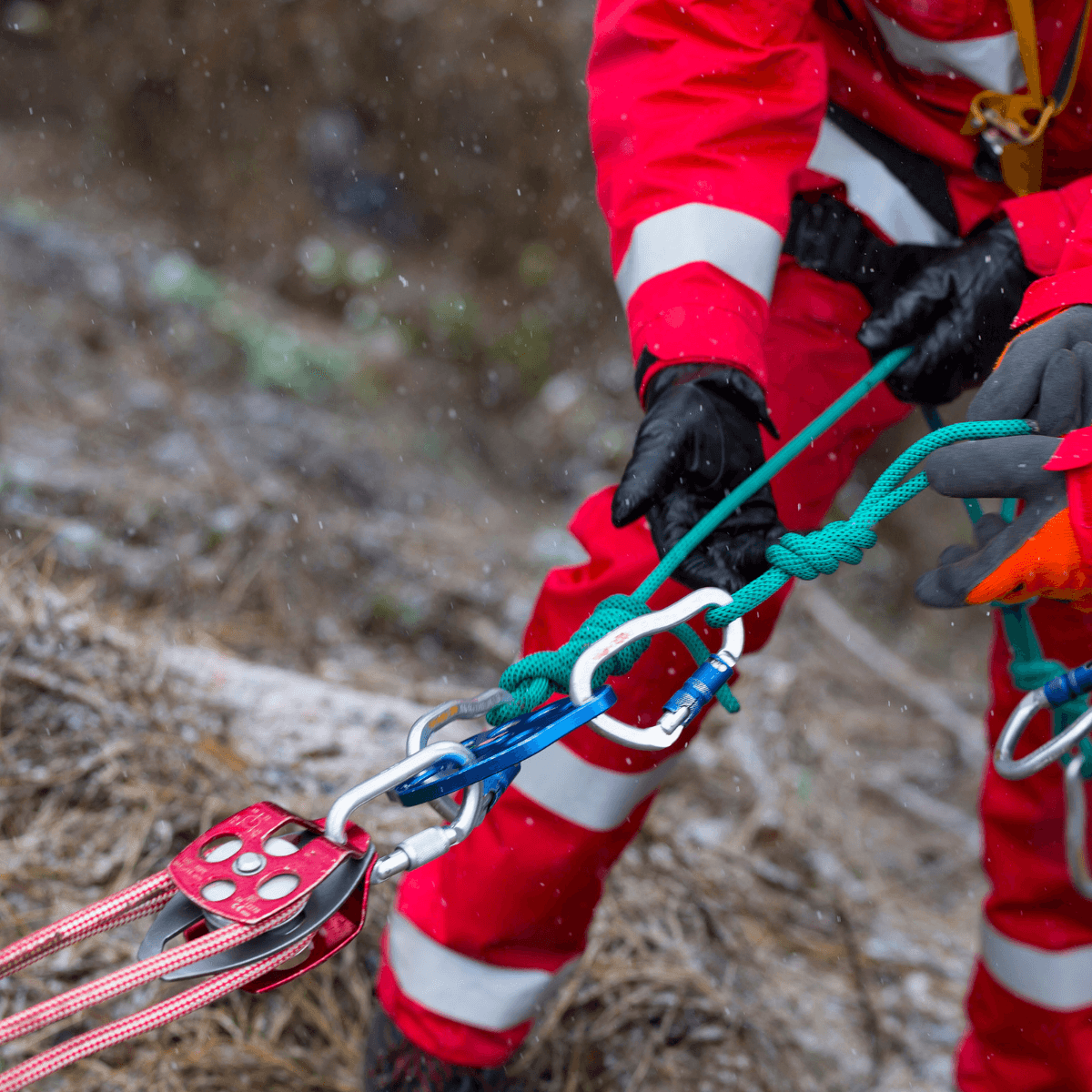
There is a rescue plan on file. The paperwork is clean, the binder is on the shelf, and the emergency contact numbers are up to date. But
here is the uncomfortable question: if someone fell into suspension right now, how long before a trained rescuer actually touches them? If
the honest answer involves waiting for a 911 response, you may have documentation without protection. Rope rescue standby services exist
precisely because that gap between paperwork and reality is where injuries become fatalities. MI Safety is based in Devon and works with
operations across the Edmonton region and throughout Alberta. If you are not sure where your worksite stands, reach out to start the
conversation.
Regulatory compliance and actual worker protection are not always the same thing. Alberta’s Occupational Health and Safety legislation requires that a rescue plan be in place before any worker is exposed to a fall hazard at height. What it does not always spell out is the response time requirement for that plan to be considered effective.
The standard most safety professionals point to is four minutes. That is roughly how long a person can hang in suspension before suspension trauma, sometimes called harness hang syndrome, begins to cause serious physiological damage. The clock starts the moment the fall arrest system catches the worker.
A rescue plan that relies on calling 911 or waiting for a fire department to mobilize almost never meets that threshold. It looks like a plan. It functions like a delay. The difference only becomes obvious in the worst possible moment.
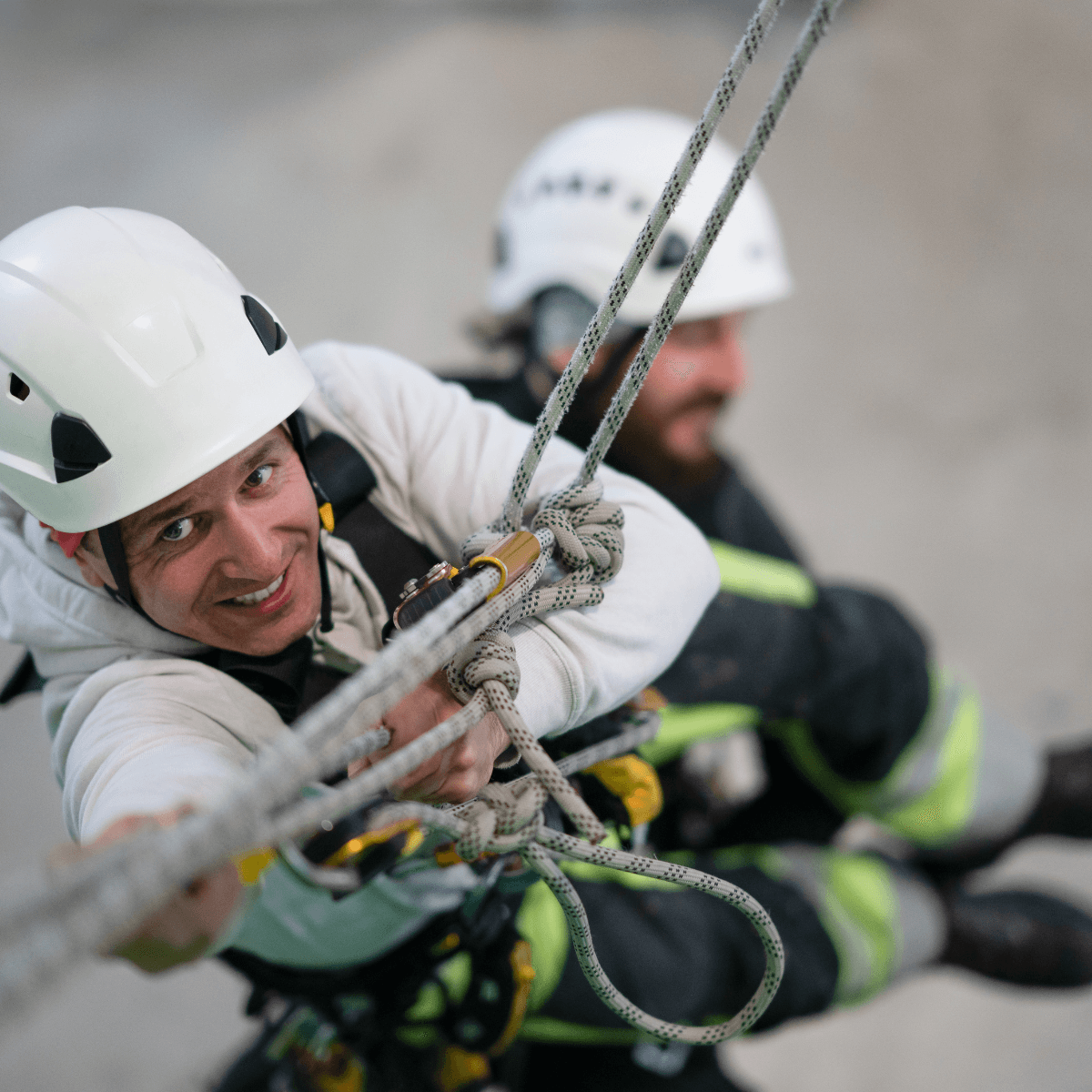
Suspension trauma is not a dramatic injury with obvious visible signs. It is a circulatory problem. When a person is hanging in a harness
after a fall, blood pools in the legs. The longer it stays there, the less oxygen reaches the brain and vital organs. Loss of consciousness
can follow in minutes. When the worker is finally rescued and returned to a horizontal position, a sudden return of that pooled blood can
cause cardiac arrest, even in a person who appeared stable while suspended.
In the Edmonton metro area, average emergency response times run six to eight minutes from the moment of the call, not from the moment of the fall. For operations in Devon, Nisku, Fort Saskatchewan, Leduc County, or further into the industrial corridor, that number climbs. Add the time it takes someone on site to recognize the emergency, make the call, and communicate the location clearly, and four minutes is gone before the dispatcher even picks up.
Rope rescue standby services close that gap by placing trained rescuers on site, not across town.
This is not a criticism of fire departments. Municipal firefighters are exceptionally well trained for the emergencies they are designed to respond to. Rope rescue at height in an industrial environment is a specialized subset of technical rescue that requires a different skill set and a lot of site-specific knowledge.
A firefighter arriving at an unfamiliar industrial site needs to assess the structure, identify anchor points, determine access routes, and manage a rescue while working around equipment and hazards they have never seen before. A rope rescue standby services provider, on the other hand, has already walked the site. They know the layout. They know the hazards. They have pre-planned the rescue and rigged accordingly.
In a real emergency, that familiarity is not a minor advantage. It is the difference between a four-minute rescue and a twenty-minute one.
There is also the matter of equipment. Municipal fire departments carry general rescue gear. Industrial rope rescue standby services come equipped specifically for the type of work happening on your site, whether that is communication tower work, tank entry, bridge maintenance, or confined space operations at height.
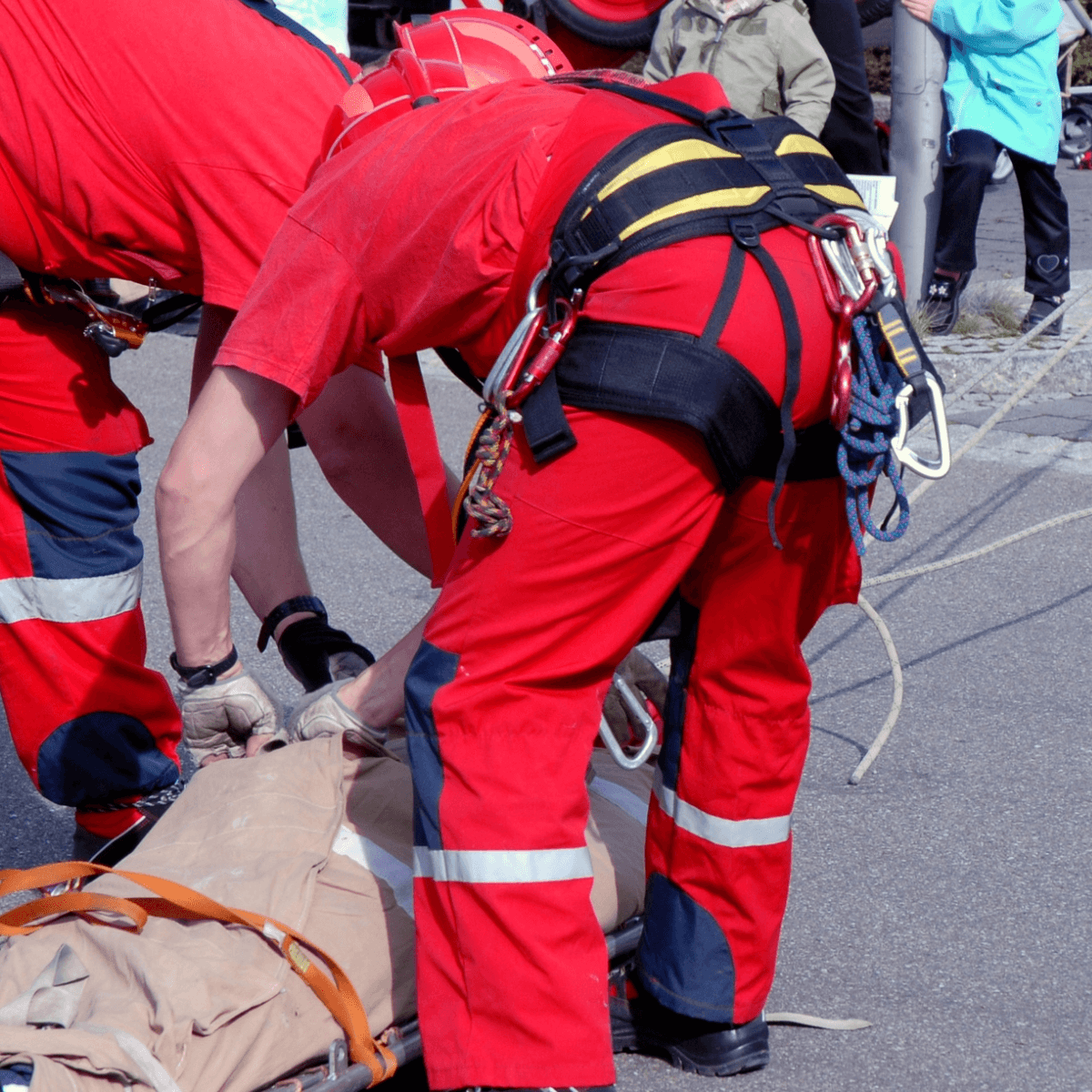
Even in communities with excellent emergency response, fire departments respond based on priority triage. A multi-vehicle accident, a structure fire, or a cardiac event in a building across town can pull units away at exactly the wrong moment. Emergency services do not have unlimited resources, and your suspended worker is competing for those resources with every other emergency happening simultaneously.
This is not hypothetical. In Canada’s industrial heartland, major incidents at one facility can strain regional emergency response capacity for hours. If your rescue plan is built around calling 911, it is also built around hoping nothing else goes wrong at the same time.
On-site rope rescue standby services are not affected by competing calls. The team is there for one reason: to get your workers down safely if something goes wrong. That dedicated presence is exactly what a contingency plan should look like.
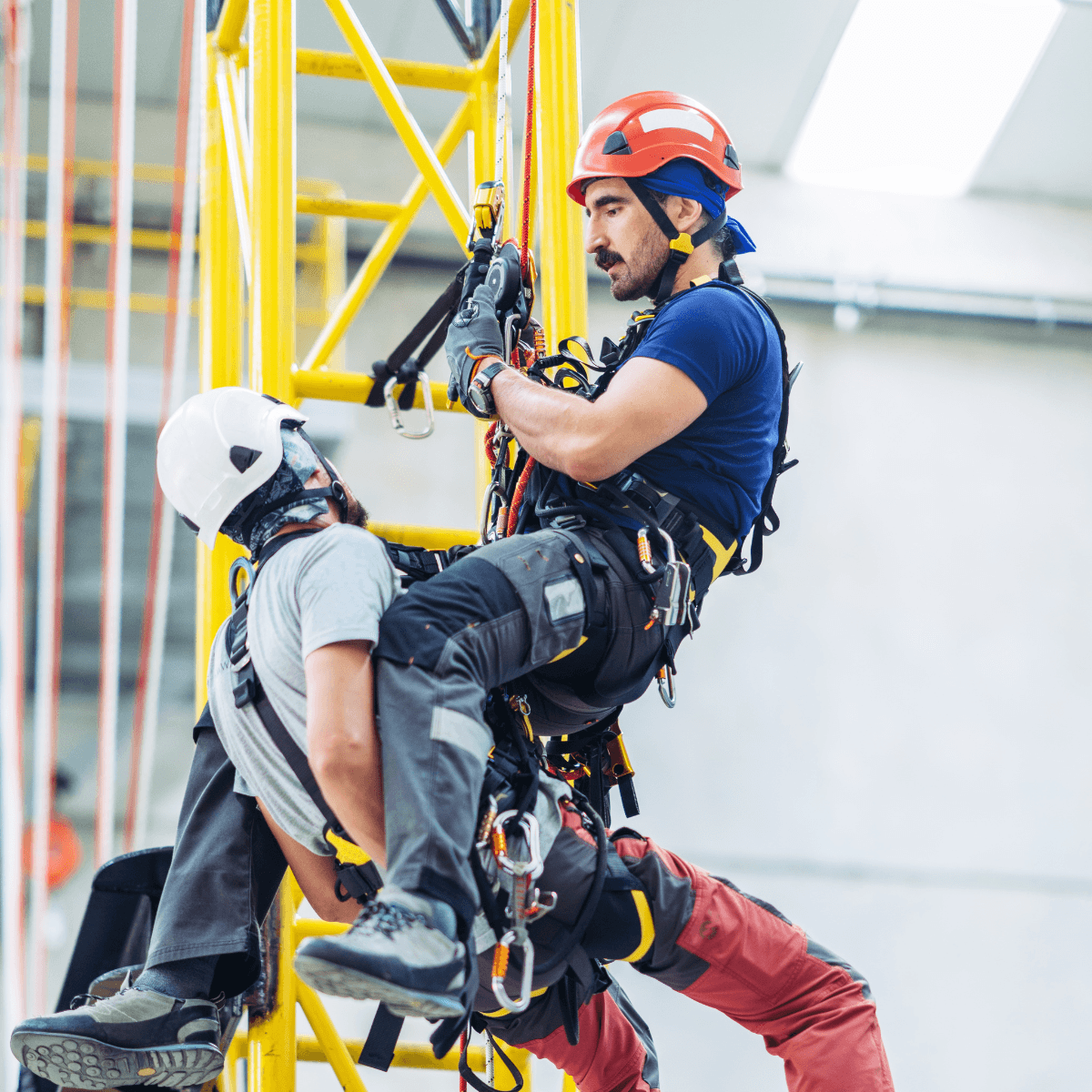
The question most safety managers arrive at eventually is not whether rope rescue standby services are necessary. It is whether the operation can justify the expense. The more useful framing is this: what is the cost of a preventable fatality, not just financially, but in terms of regulatory consequences, civil liability, and the impact on the people who worked alongside that person?
Rope rescue standby services are not an overhead item. They are an operational requirement for any worksite where workers are exposed to fall hazards at height without a credible on-site rescue capability. That includes tank farms, communication towers, bridges, elevated work platforms, and any confined space with a vertical access component.
MI Safety is based in Devon, with teams deployed across the Edmonton region and throughout Alberta. They work regularly in the industrial
areas around Nisku, Leduc County, Fort Saskatchewan, and the broader corridor where elevated and confined space work is concentrated. Before
your next elevated work project gets underway, it is worth making sure the plan on that shelf actually matches what would happen in the
field.
Rope rescue standby service means having trained technical rescuers physically present on your worksite for the duration of elevated or at-height work. They are there for one purpose: if a worker falls and is suspended in their harness, the rescue team can reach them and complete a safe extraction within the critical four-minute window. It is not a call centre, a dispatch arrangement, or an emergency contact list. It is qualified people on the ground, ready to move.
You can, and you should. But 911 cannot be your rescue plan. Average emergency response times in the Edmonton metro area run six to eight minutes from the moment of the call, not the moment of the fall. For operations in Devon, Nisku, Fort Saskatchewan, Leduc County, and the surrounding industrial corridor, that number climbs further. Factor in the time it takes someone on site to recognize the emergency and communicate the location, and you are well past the four-minute threshold for suspension trauma before anyone arrives. A 911 call is a backup, not a plan.
When a worker is hanging in a harness after a fall arrest, blood pools in the legs. The longer it stays there, the less oxygen reaches the brain and vital organs. Loss of consciousness can occur within minutes. The four-minute mark is when serious physiological damage can begin. There is also a paradox when the suspended worker is finally lowered: that pooled blood returns to circulation suddenly, which can trigger cardiac arrest even in a worker who appeared stable while hanging. Getting them down fast and managing the recovery correctly are both part of the rescue.
Firefighters are highly trained professionals, but industrial rope rescue at height is a specialized subset of technical rescue. A fire crew arriving at an unfamiliar industrial site needs to assess the structure, locate anchor points, plan access routes, and work around equipment they have never seen before. A rope rescue standby team has already done all of that before the job begins. They know the site, they have pre-rigged the rescue, and they are carrying equipment specific to your work type. In a real emergency, that difference in familiarity and preparation is not a minor advantage.
Any worksite where workers are at height without a credible on-site rescue capability. That includes communication towers, tank farms, bridges, elevated work platforms, and confined spaces with a vertical access component. If the honest answer to “how long before a trained rescuer reaches a suspended worker?” is longer than four minutes, the site needs standby coverage.
Alberta’s Occupational Health and Safety legislation requires a rescue plan to be in place before any worker is exposed to a fall hazard. The legislation does not always prescribe the exact form that plan must take, but the four-minute standard for effective rescue response is well established in professional safety practice. A plan that cannot meet that threshold is a liability, regardless of how complete the paperwork looks.
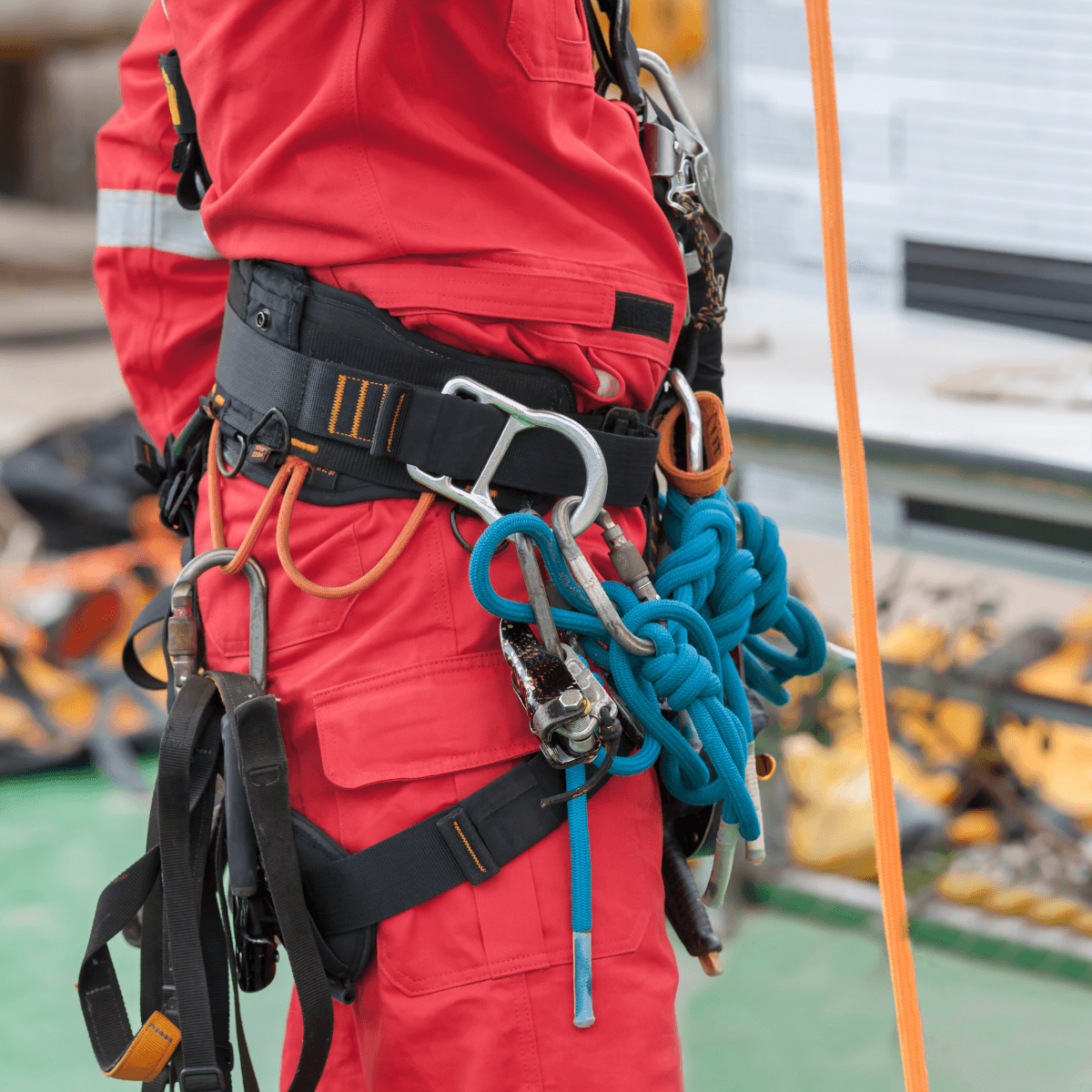
MI Safety is based in Devon and deploys trained technical rescuers across the Edmonton region and throughout Alberta. For operations in Nisku, Fort Saskatchewan, Leduc County, and the surrounding industrial corridor, the team is close enough to integrate into your project planning without logistics becoming an obstacle. Before work begins, the team walks the site, identifies anchor points, pre-plans the rescue, and rigs for the specific conditions. They are equipped for the type of work taking place, whether that is tower access, tank entry, confined space, or bridge work. For more information on how standby coverage can be structured for your next project, contact the MI Safety team directly.
REQUEST INFO ON OUR COURSES