Posted: Mar 1
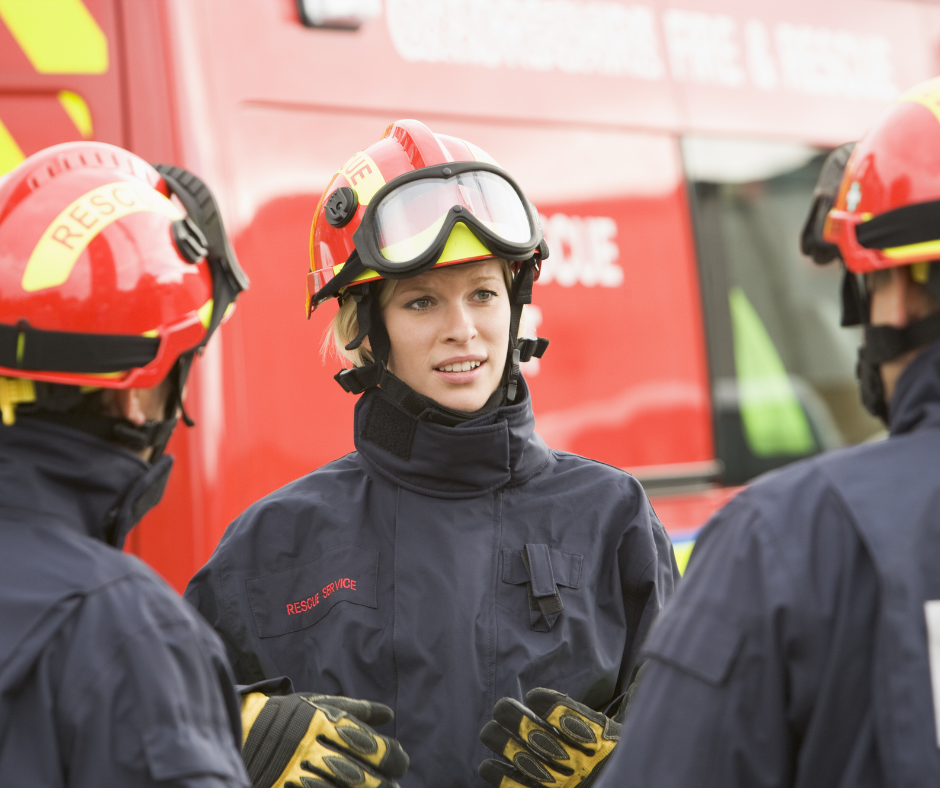
In emergency services, one truth never changes: competence saves lives.
That's exactly why the Alberta Fire Chiefs Association (AFCA) developed the Alberta Fire Services Core Competency Framework — a planning and risk-management tool designed to help fire departments across Alberta define what they actually need to be prepared for, and then build training and operational systems to match.
But here's the interesting part: this framework isn't only useful for fire departments. Its focus on risk-informed training, competency mapping, continuous improvement, and operational readiness mirrors the same approach industrial safety leaders need to protect workers in sectors like oil and gas, construction, utilities, and renewable energy. That's where MI Safety fits in. Not as a fire department, but as a workforce safety partner helping organizations build capable, confident teams through technical rescue training in high-risk environments. If your team needs specialized training that goes beyond basic compliance, get in touch with MI Safety to discuss how we can support your safety goals.
At its core, the AFCA framework is designed to connect a few key pieces: the risks a community faces, the service levels a department delivers, the training required to meet those service levels, and the competencies firefighters need to safely perform the job.
It doesn't treat training as a "check the box" activity. Instead, it frames training as part of a broader system, one that should be reviewed, updated, and improved as risks change over time. It's also built on the idea that competency needs to align with legislation and established standards, and that readiness must be defendable, measurable, and repeatable and not just assumed.
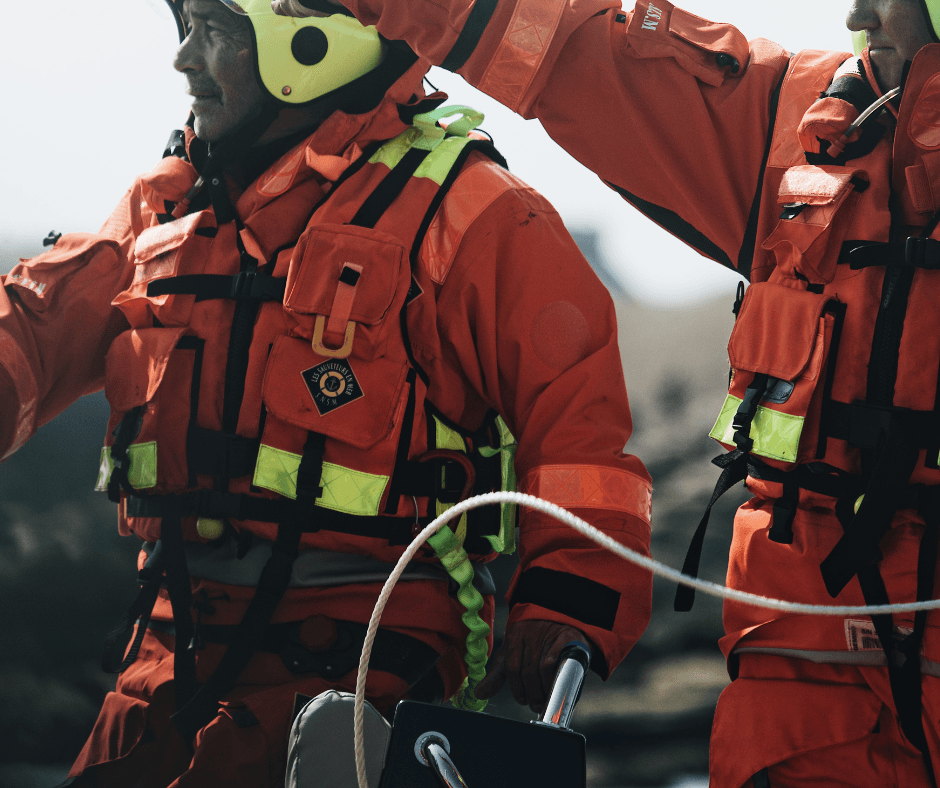
When people hear "core competencies," they sometimes think it's just about certifications, but the AFCA framework goes deeper than
that.
It treats competency as an ongoing system that connects what hazards exist, what services are expected, what training should be delivered, what performance is required, and how readiness is maintained over time.
That's not just good fire service planning. It's good safety planning in general.
Industrial workplaces face many of the same challenges, especially in Alberta where high-risk operations are common. The hazards may look different than a structure fire, but the underlying need is the same. People need to be prepared to respond correctly when things go wrong.
MI Safety works in high-risk environments where safety depends on more than policies. It depends on people having the skills, confidence, and practical preparation to handle dangerous conditions safely.
That includes technical rescue training and support in areas like confined space entry and rescue, working at heights and fall protection, rope rescue and high-angle rescue support, safety leadership and onsite safety roles, and equipment inspections and readiness systems.
That's where MI Safety aligns closely with what the AFCA framework is designed to encourage: competency systems that are built around real hazards and real-world performance. The same principles that guide fire service preparedness also guide effective technical rescue training programs for industrial teams.
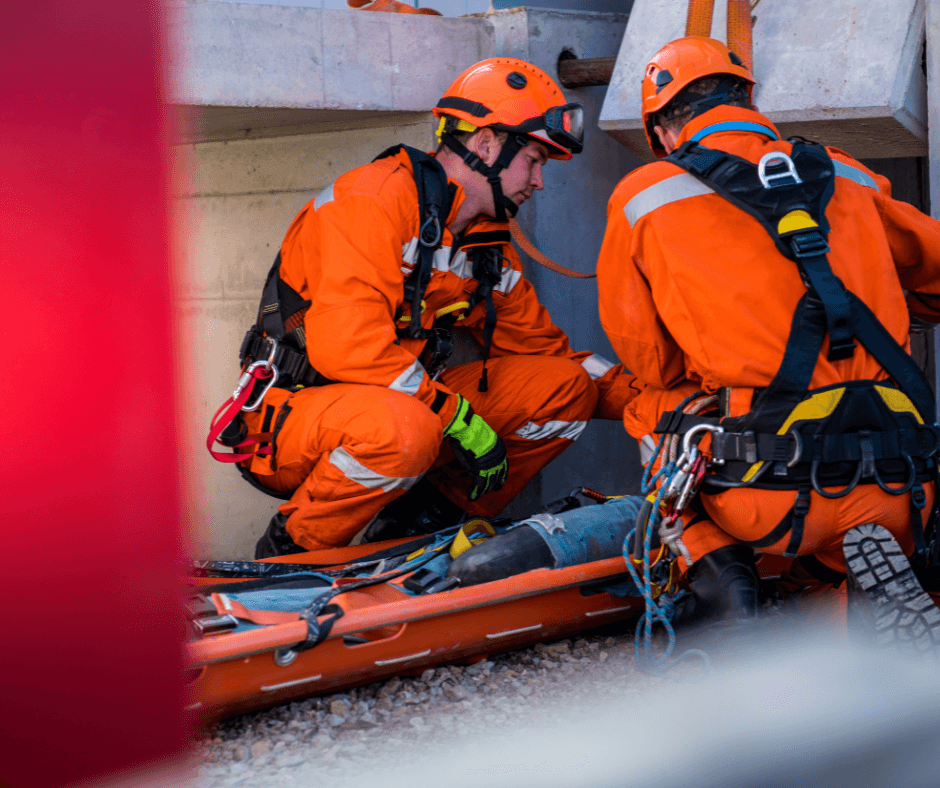
There's nothing wrong with certifications. They play an important role and they establish baseline knowledge. But real readiness requires
more than a certificate.
Competency means repeated practice, exposure to realistic scenarios, refreshers and skill maintenance, confidence under pressure, and systems that support performance when the environment becomes chaotic.
That's a big reason why the AFCA framework matters. It reinforces that departments shouldn't simply train to a credential, but should train to the capability required by their risk profile. In other words, competency isn't something you earn once; it's something you maintain.
That same idea applies directly to industrial safety. In high-risk workplaces, the question isn't just "Do you have training?" but "Are you ready to perform safely today?" Technical rescue training programs that follow this philosophy focus on building and maintaining real-world capability, not just completing a course.
The AFCA framework includes service areas such as rope rescue, wildland response, water and ice rescue, and medical response. These aren't just "nice-to-have" skills. They're based on what risks exist and what services departments are expected to provide.
Industrial sites work the same way. Confined spaces, high-angle work, remote sites, and hazardous environments all demand more than basic compliance. A strong safety program needs practical rescue planning, trained and confident people, ongoing refreshers, and reliable systems that actually work on the ground.
That's exactly the kind of capability-based approach MI Safety supports through technical rescue training that's tailored to the specific hazards teams face. Whether it's rope rescue readiness, confined space rescue protocols, or fall protection systems, the training should match the risk profile of the site and the roles people are expected to fill.
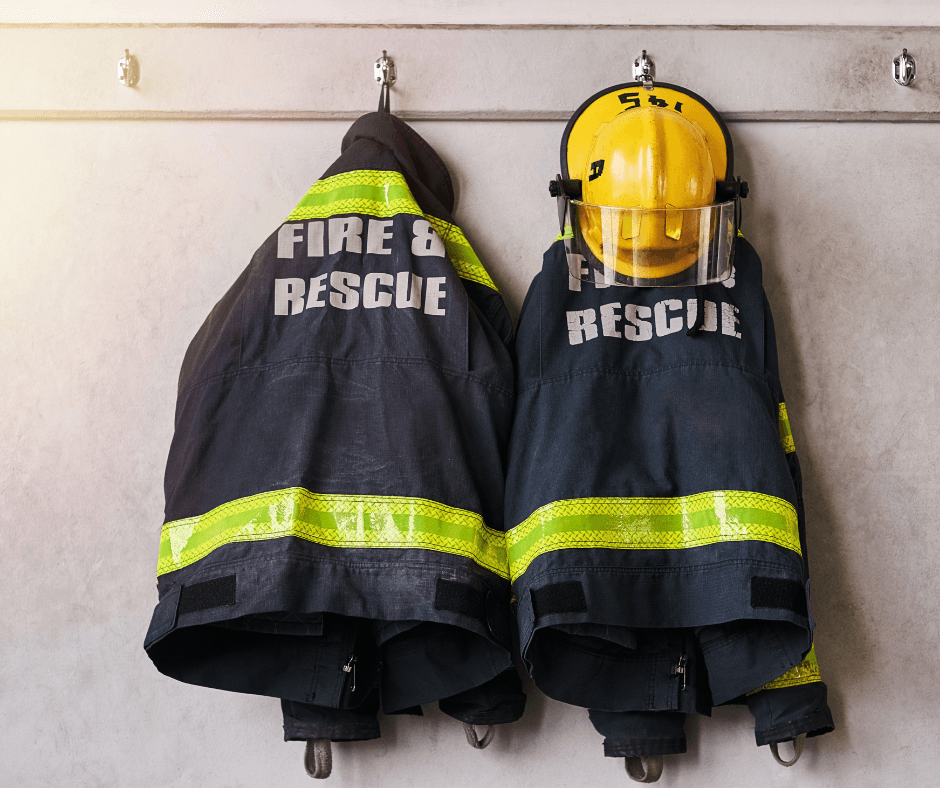
One of the smartest parts of the AFCA framework is that it isn't just focused on technical skills. It encourages departments to build
readiness into the organization through planning, reporting, systems, and accountability.
MI Safety's model is built around that same idea. Safety isn't improved by training alone. It improves when training, leadership, and systems work together. When organizations make safety part of how work happens, competency becomes sustainable.
That's why technical rescue training shouldn't be seen as a one-time event. It's most effective when it's part of a larger safety culture that values continuous improvement, realistic preparation, and accountability for maintaining skills over time.
For fire departments, the AFCA framework supports readiness and helps justify decisions around training and service level planning.
For industrial organizations, that same philosophy offers real benefits, including fewer incidents and injuries, stronger legal compliance, more confident workers, less downtime and fewer disruptions, better emergency response preparedness, and stronger reputation and retention.
Technical rescue training and rescue readiness aren't just safety tools, they're risk controls. That's why programs like MI Safety's align so well with the direction AFCA is encouraging. When organizations invest in training that's built around real hazards and real performance, they're not just meeting a requirement, but building a safer, more capable workforce.
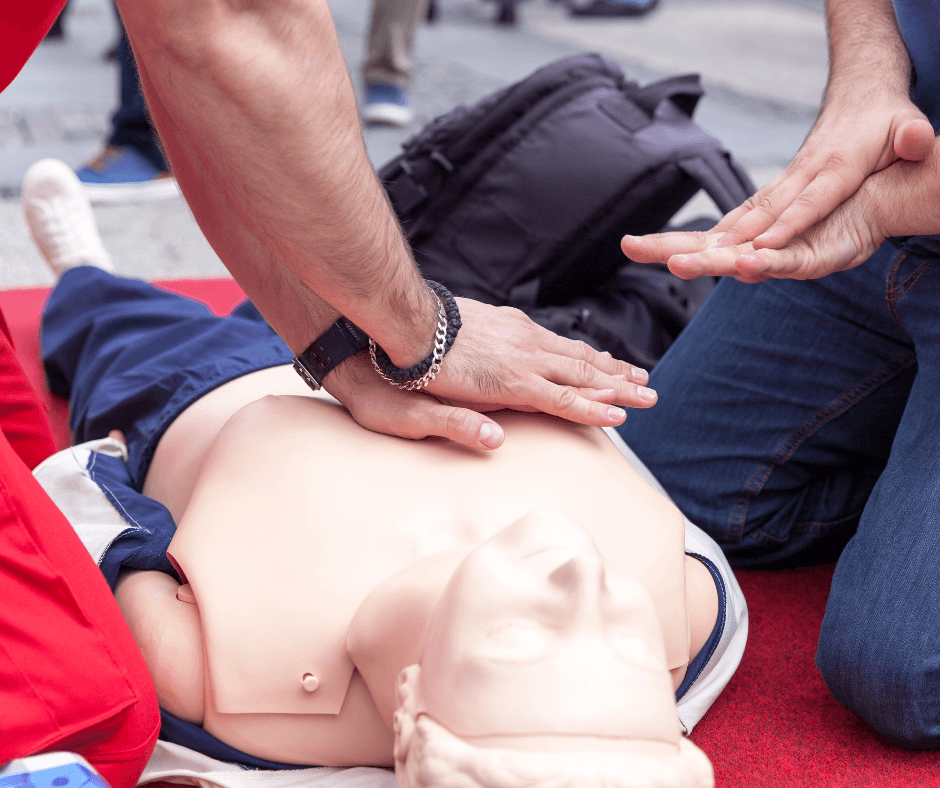
Whether it's a fire department responding to a call or an industrial team working in a high-risk environment, the goal is the same:
competent people, clear expectations, strong systems, and safer outcomes.
That's why the Alberta Fire Services Core Competency Framework matters far beyond fire halls and why MI Safety's technical rescue training services are built on the same foundation. Because in any high-risk environment, readiness is the real safety net.
If your organization is ready to move beyond basic compliance and build a competency-based approach to safety, MI Safety can help. Our technical rescue training programs are designed for the real risks your teams face. Get in touch with MI Safety today to discuss how we can support your safety goals and build the skills your people need to work confidently in high-risk environments.
REQUEST INFO ON OUR COURSES