Posted: May 1

When someone's life is on the line, skill and confidence matter as much as equipment. Technical rescue training builds the foundation, but recertification is what keeps that foundation solid. Whether your team works in confined spaces, at height, or in complex rope rescue environments, staying current with your certifications is not just a regulatory requirement. It is a professional responsibility. If you are wondering how to navigate recertification timelines, what to expect from refresher courses, or how to build a culture of ongoing readiness, MI Safety is here to help. Get in touch with us today to find out how we can support your team.
Not all technical rescue training certifications follow the same schedule, and that can catch teams off guard if they are not paying close attention. Confined space rescue, rope rescue, fall protection, and other disciplines each carry their own recertification requirements that may be shaped by industry standards, provincial regulations, or accrediting bodies.
In Alberta, many rescue-related certifications align with guidelines from organizations like the CSA Group or follow occupational health and safety legislation that mandates documented competency at defined intervals. Depending on the discipline, recertification windows can range from one to three years. Keeping a certification tracking system in place is one of the most practical things a safety coordinator can do to make sure no one on the team lapses without realizing it.
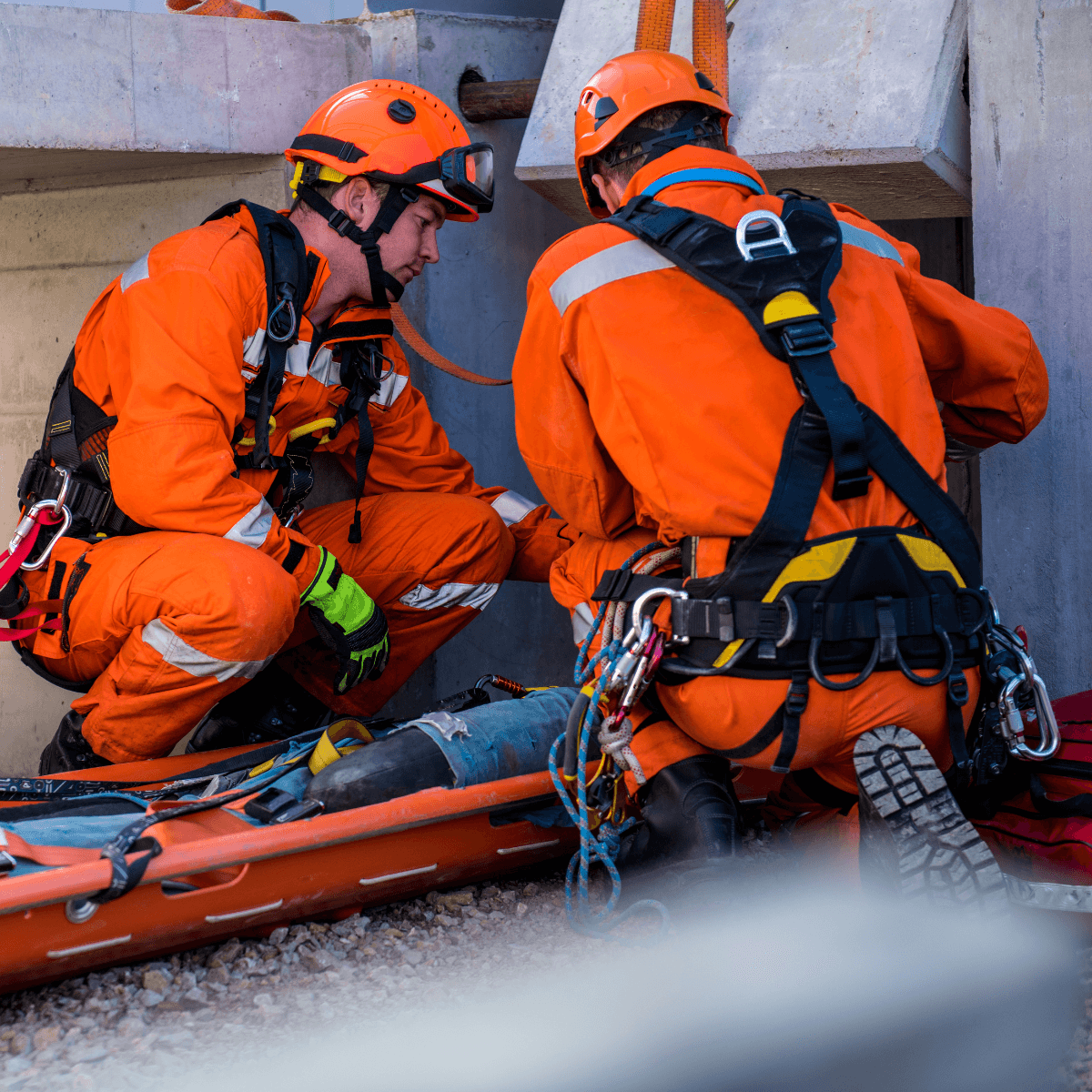
Here is something that does not always get talked about enough: skills fade. Even experienced rescuers who have completed rigorous technical
rescue training can lose precision and confidence when they go extended periods without practice. Research in occupational safety
consistently points to significant skill degradation within months of initial training, particularly for hands-on, high-stakes tasks that
require muscle memory and calm decision-making under pressure.
This is not a reflection of ability. It is simply how humans retain and lose procedural knowledge over time. A rescuer who completed their certification eighteen months ago and has not run drills since then may hesitate at exactly the wrong moment. That hesitation has consequences. Regular recertification, combined with in-house drills and scenario-based exercises, is what closes the gap between what someone learned and what they can actually execute on a live scene.

If someone on your team is nervous about recertification because they remember how demanding their initial technical rescue training was, it helps to know that refresher courses are designed differently. The goal of initial training is to build knowledge and competency from the ground up. Refresher training assumes a baseline and focuses on reinforcing what participants already know, addressing gaps that have developed, and introducing any changes that have occurred since the last certification period.
Expect a mix of knowledge review and hands-on skills validation. Participants will typically work through scenario-based exercises that mirror real conditions in their specific work environment. Assessment standards still apply, but the pace and structure of a recertification course are generally more focused and efficient than the original program. That said, participants who arrive underprepared may find themselves covering more ground than they anticipated, which is a good argument for staying sharp between certification cycles.
One of the most valuable things recertification does is keep teams current. Technical rescue training does not exist in a static environment. Equipment evolves, rescue techniques are refined, and regulatory frameworks get updated. A team that certified three years ago may be using approaches that have since been revised or replaced by safer, more effective methods.
Recertification courses are designed to incorporate those updates. Participants may encounter new hardware, revised rigging standards, or updated protocols for patient packaging and extraction. Staying current through regular technical rescue training means your team is not operating on outdated information when it matters most. From changes to CSA standards to updates in NFPA guidelines that influence Canadian practice, refresher courses are where your team catches up and moves forward.
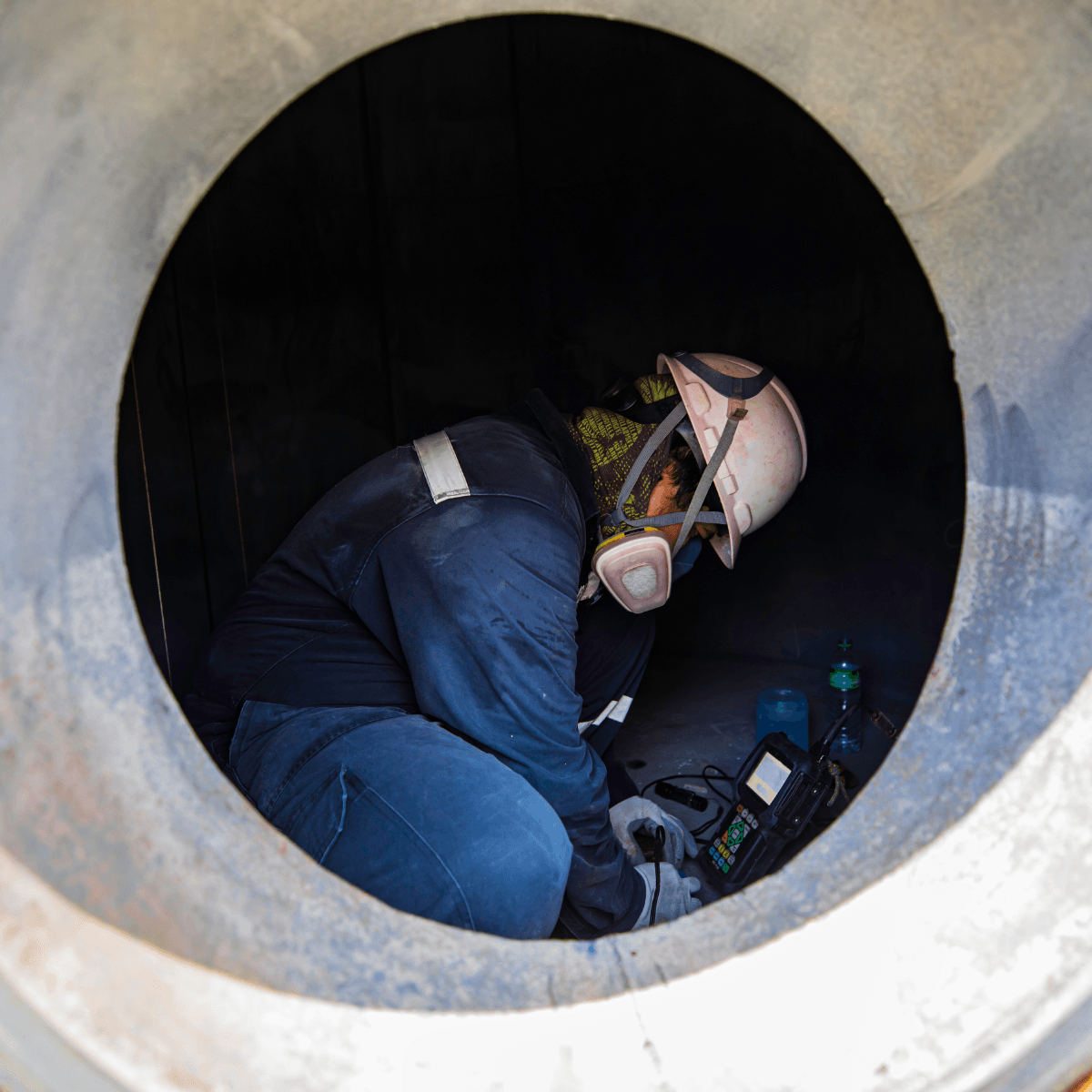
Recertification courses are important, but they cannot carry all the weight on their own. The teams that perform best in high-pressure rescue situations are the ones that treat preparedness as an ongoing habit rather than a once-every-few-years obligation.
A few practical approaches worth building into your safety program include scheduling quarterly tabletop exercises where team members talk through scenarios and decision points, running hands-on drills with actual equipment at least twice a year, and rotating rescue responsibilities so that skills stay fresh across the whole team rather than concentrated in a few individuals. Designating a team lead who tracks certification dates, equipment inspection logs, and training records also goes a long way toward preventing gaps from developing quietly in the background.
Documentation matters too. Maintaining records of all internal training activities demonstrates due diligence and supports a stronger compliance position if your site is ever subject to inspection or incident review.
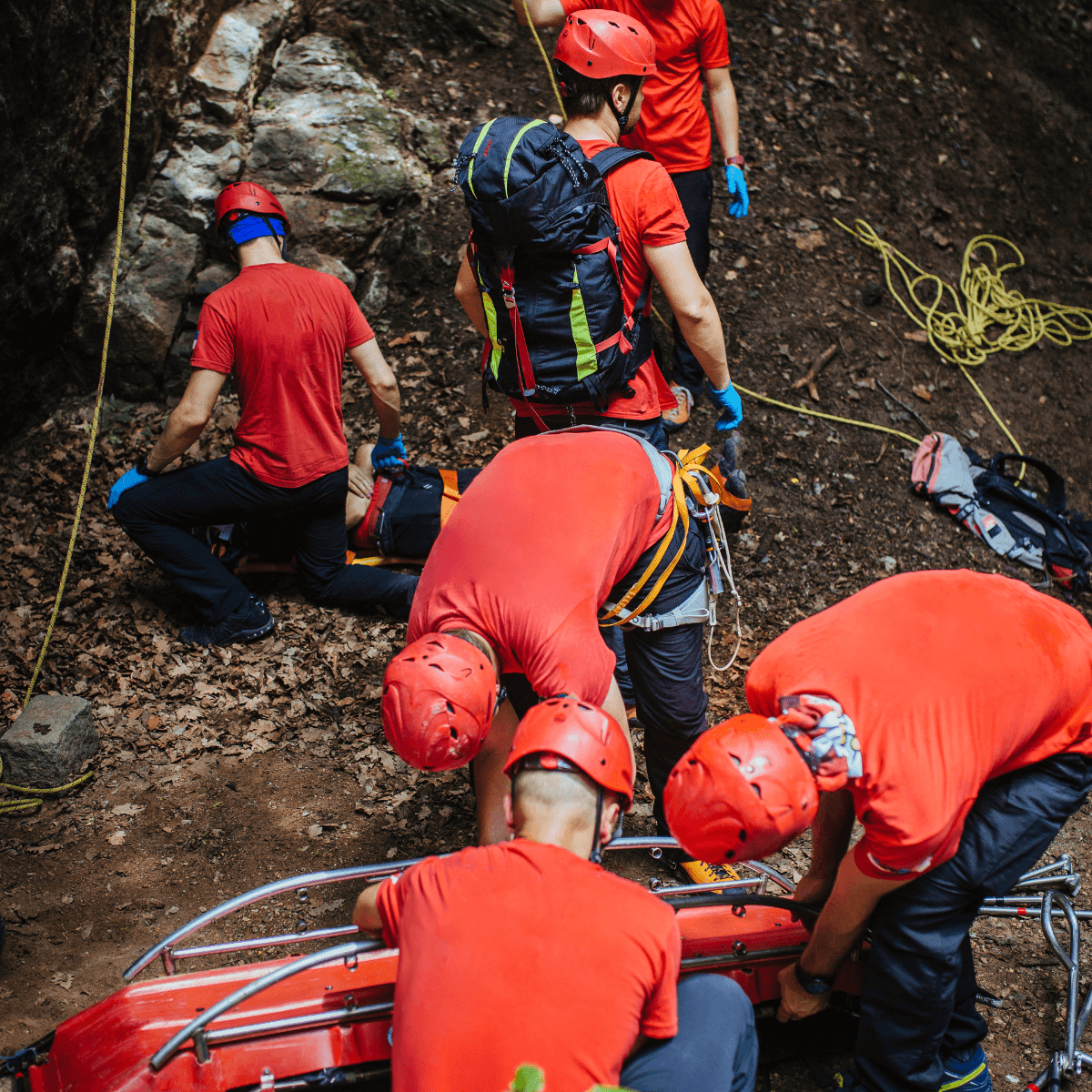
Recertification is sometimes viewed as a cost or an inconvenience, especially when teams are busy and scheduling training means pulling people off the floor. That framing misses the point. Technical rescue training, including regular recertification, is one of the most meaningful investments an organization can make in the safety and capability of its people.
When recertification becomes a normalized part of your safety culture rather than a reactive scramble, everything gets easier. Teams stay confident. Compliance stays current. And when an emergency actually happens, the people responding have the skills, the muscle memory, and the current knowledge to do their jobs effectively.
Building that culture starts with leadership making readiness a priority and providing teams with the training resources they need to stay sharp. MI Safety offers technical rescue training and recertification programs designed to meet your team where they are and get them where they need to be. Reach out to us today to learn more about our upcoming course schedule and find the right program for your crew.