Posted: Feb 1
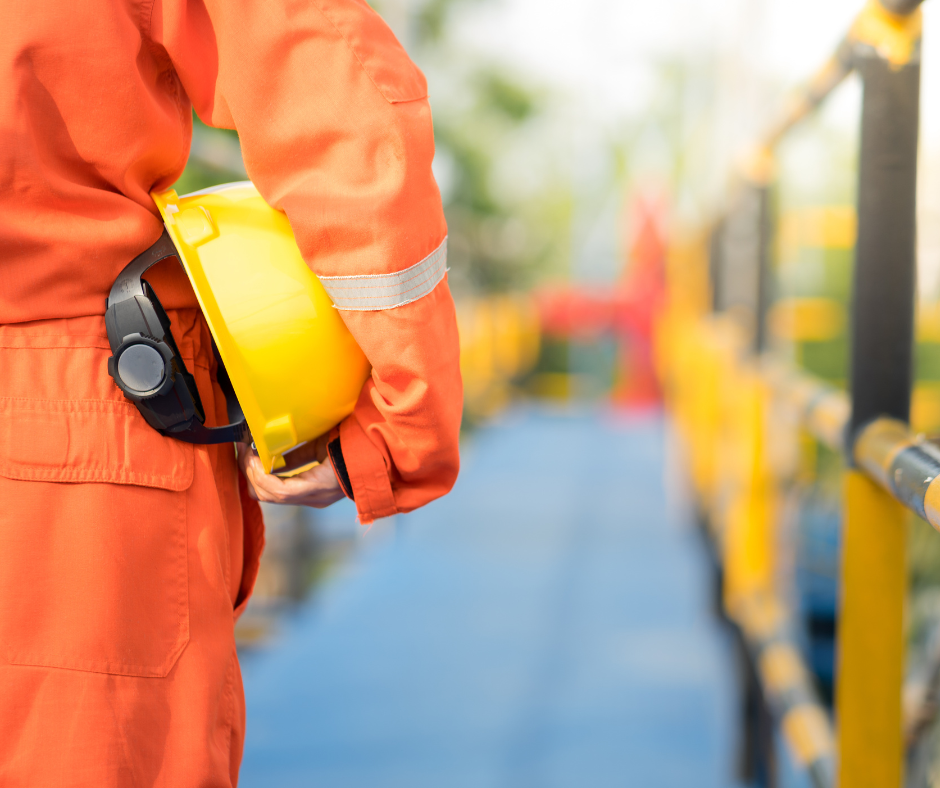
When an emergency strikes at an industrial facility, your onsite fire and rescue teams need to respond with confidence and precision. Too many organizations conduct basic compliance drills that tick regulatory boxes without preparing onsite fire and rescue teams for real emergencies. This article explores how to design realistic drills that bridge the gap between theoretical knowledge and real-world readiness. Get in touch with MI Safety to discuss customized training solutions for your facility.
Routine practice involves predictable scenarios with minimal time pressure and little stress. High-fidelity simulation introduces realistic conditions, time constraints, communication challenges, and physical demands that mirror what onsite fire and rescue teams experience during actual emergencies.
This approach uses stress inoculation, deliberately exposing onsite fire and rescue teams to controlled stress to build resilience and improve performance under pressure. When team members experience elevated heart rates and decision-making under duress during training, they're building neural pathways that serve them when seconds count. Low-fidelity drills involve discussing procedures or walking through equipment checks. High-fidelity elements include simulated smoke, realistic casualty moulage, equipment failures, and dynamic scenario changes that force onsite fire and rescue teams to adapt. The goal is creating authentic conditions that reveal gaps and build genuine competence.
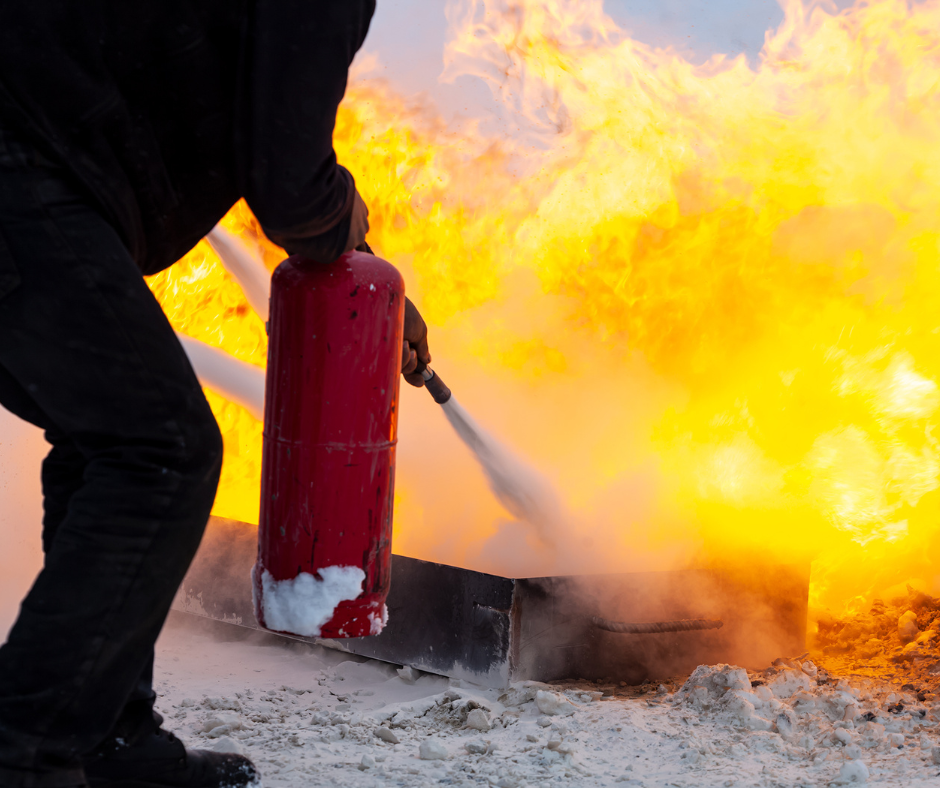
Generic emergency scenarios have limited value when your facility faces specific hazards. Building site-specific scenarios ensures your
onsite fire and rescue teams train for the emergencies they're most likely to face. For Alberta's petrochemical facilities, design tank fire
scenarios that account for specific chemicals stored on site, local wind patterns, and proximity of neighbouring equipment. Industrial sites
with confined spaces need confined space rescue simulations that replicate actual entry points, atmospheric monitoring requirements, and
retrieval challenges.
Large operations need multi-casualty incident planning that tests how onsite fire and rescue teams triage, treat, and evacuate multiple casualties simultaneously. Start with a thorough hazard assessment that identifies credible worst-case scenarios and reviews incident history. Incorporate seasonal and environmental factors specific to Alberta, such as winter conditions affecting response times, freezing impacting equipment, spring flooding risks, or summer wildfire considerations. When onsite fire and rescue teams drill in conditions reflecting your actual operating environment, lessons translate directly to improved readiness.
The drill itself is only half the learning opportunity. Real growth happens during hot and cold debriefs. A hot debrief occurs immediately after a drill while emotions are still running high. This captures raw observations about what worked, what didn't, and how onsite fire and rescue teams felt during critical moments. The emotional immediacy helps identify stress responses and communication breakdowns that might be forgotten later.
Cold debriefs happen hours or days later, once everyone has reflected more analytically. These sessions allow deeper analysis of decision-making, review of performance metrics, and comparison against established procedures. Use hot debriefs to acknowledge strong performances and identify immediate safety concerns. Use cold debriefs to analyse root causes, develop corrective action plans, and update training programs. Create a culture where honest feedback is valued, document insights to inform future training, and track whether improvements get implemented in subsequent drills.
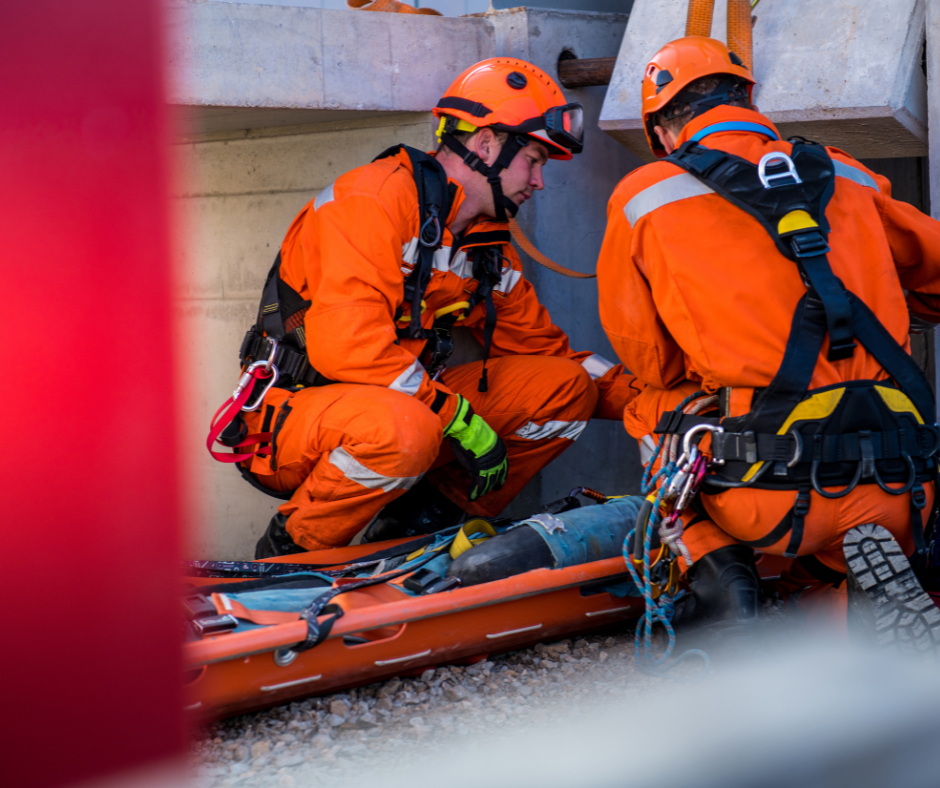
Effective training needs realistic drills that challenge onsite fire and rescue teams without compromising participant safety. This requires
thoughtful risk assessment for every exercise. Identify what hazards the drill will introduce, such as live fire, heights, heavy equipment,
smoke, physical exertion, and implement controls that maintain training value while preventing injuries.
Employ dedicated safety observers with stop-work authority who aren't playing a role in the scenario. Use training-specific equipment when available, inspect all gear before exercises, and ensure appropriate personal protective equipment. Environmental considerations for Alberta facilities include weather monitoring for outdoor drills, facility isolation procedures, and clear communication with operational teams so a drill isn't mistaken for a real emergency. When training near-misses occur, treat them with the same seriousness as actual incidents and adjust future drills accordingly.
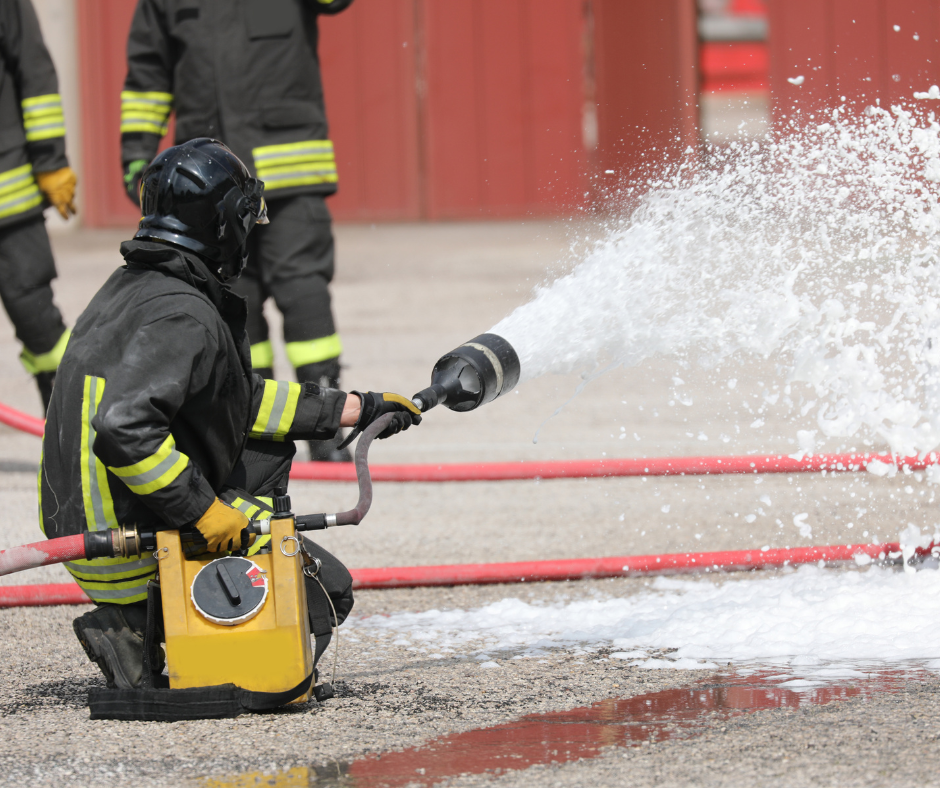
Even well-designed drills lose effectiveness without strategic planning. Smart scheduling maintains readiness for onsite fire and rescue
teams without disruption or drill fatigue. Full-scale emergency exercises might happen quarterly, smaller scenario-based drills monthly, and
individual skills practice weekly. Coordinate drills with operational schedules to minimise production impact while ensuring all crew
rotations participate.
Watch for signs of drill fatigue and complacency, including your team not taking exercises seriously, declining performance metrics, or feedback suggesting drills feel repetitive. Combat this by varying scenarios, introducing unexpected complications, and occasionally running surprise drills alongside announced exercises. Surprise drills test genuine readiness. Announced drills allow for specific skill development and testing of new procedures. Balance day shift, night shift, and rotating crew participation so readiness doesn't depend on which team is on duty. An annual drill planning framework ensures comprehensive coverage of different scenarios, regulatory compliance, and integration with local fire departments or mutual aid partners.
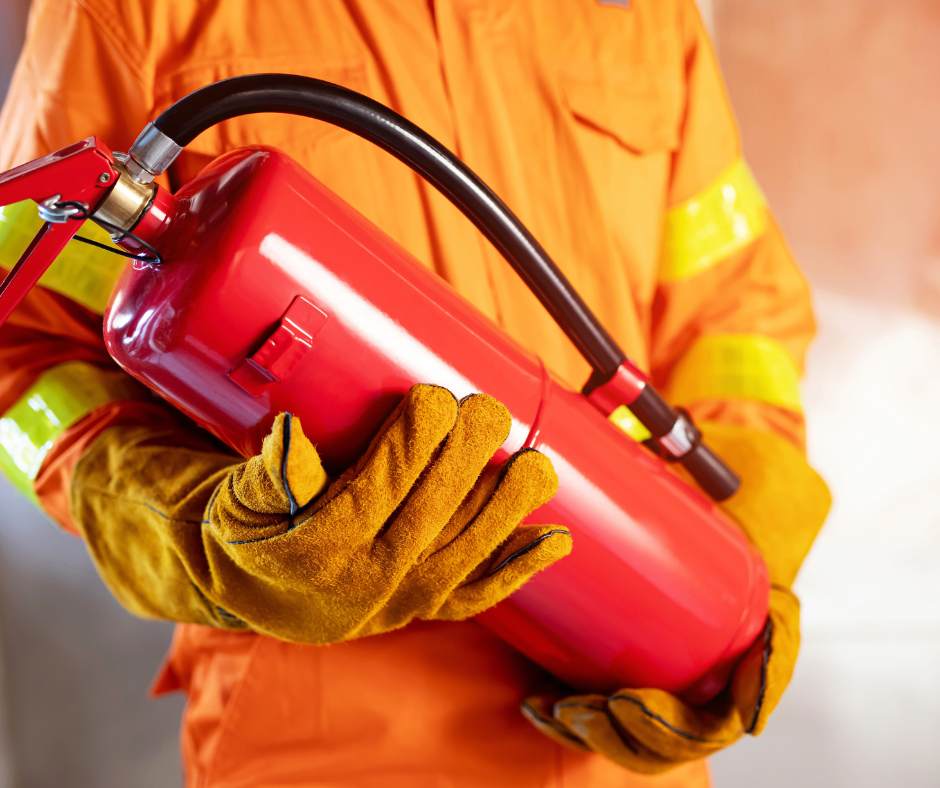
Realistic drills are an investment in the safety of your people and the resilience of your operations. When drills move beyond compliance to
become genuine preparation, onsite fire and rescue teams develop the confidence and coordination that save lives when emergencies occur. Ask
whether your current drill program truly prepares your teams for the worst day of their careers or simply meets minimum requirements. MI
Safety specializes in designing and delivering realistic fire and rescue training programs tailored to Alberta's industrial sectors. Get in
touch with MI Safety today to discuss how we can transform your emergency response capabilities from adequate to exceptional.